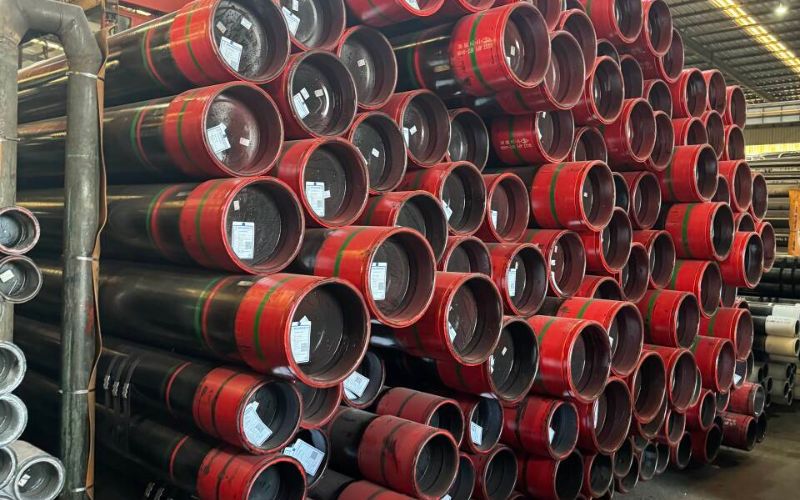
Steel tubing manufacturers offer several tube families to their customers: some produce structural HSS, others supply mechanical tubing, some operate as stocking distributors, and some mainly work with pipe products. When a buyer sends the same RFQ to many suppliers, comparable pricing can still hide different standards, tolerances, documents, and shipping promises.
- 1) Begin by clarifying the service. This includes the material form: structural, mechanical, hydraulic, decorative, process, or pressure.
- 2) Next, ask for the specified standard, such as ASTM A500, A513, A519, A53, A106, A312, or a project-specific specification standard.
- 3) Identify the supplier type. They could be a mill, tube producer, service center, stocking distributor, or a trader.
- 4) Request documents to verify the materials. This could include a Mill Test Certificate, heat number traceability records, tolerance compliance records, and the scope of the inspection.
- 5) Compare the level of risk you may be facing from different suppliers. This could be based on stock vs. mill run items, material origin, coating or cutting services, and shipment planning.
Quick Answer: What Separates Steel Tubing Manufacturers From Tube Suppliers?
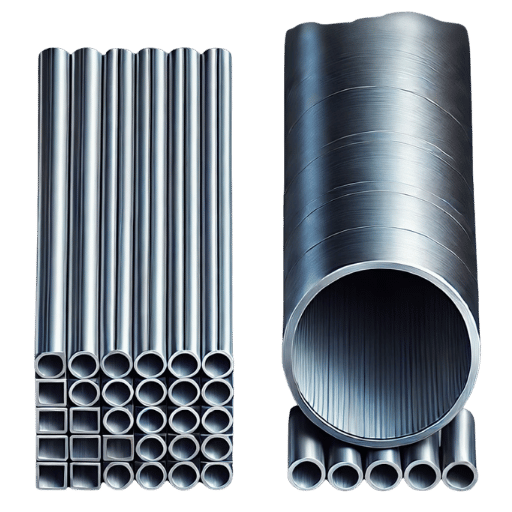
Steel tubing manufacturers create tube by forming steel from coil or billet, or by starting with a hollow shell. Other suppliers may provide tube through stock, cutting, sourcing, inspection, or distribution without making the item themselves. That distinction matters because a manufacturer controls forming, weld procedures, heat treatment, and inspection, while a distributor can use existing inventory for faster availability.
| Vendor type | What they control | Best fit |
|---|---|---|
| Tube mill or manufacturer | Forming, weld route, sizing, heat treatment, inspection plan | Repeat orders, project specifications, custom tube products |
| Service center | Inventory, cutting, packaging, shipment, some value-added services | Fast stock orders, mixed sizes, regional delivery |
| Distributor or trader | Sourcing network, quote response, document collection | Price checks, multi-origin comparison, small batches |
What is the difference between steel pipe and steel tube?
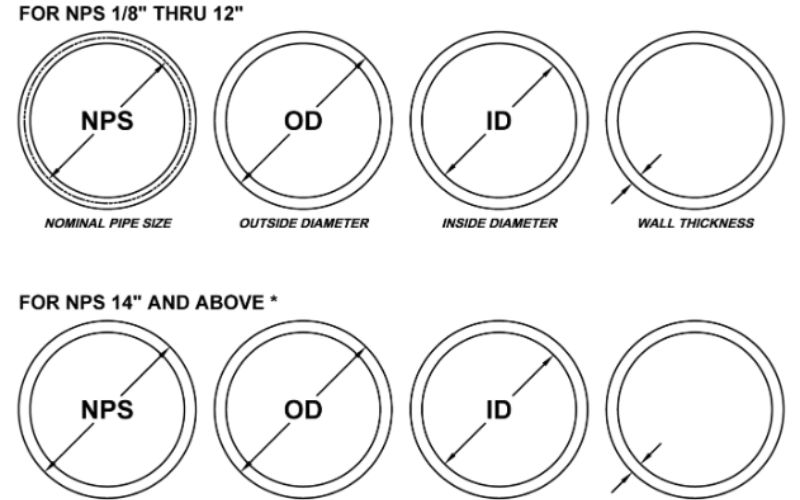
Pipe items are usually selected based on a nominal pipe size and pressure schedule, whereas tubing selections often specify outside diameter, wall thickness, shape, tighter tolerances, and a defined end use. Applications specified using tube dimensions, an OD/ID requirement, or square and rectangular hollow sections are usually better served by tubing standards than by treating them as commodity pipe products. Refer to Baling’s pipe vs tube guide for an in-depth look.
- Manufacturers can confirm the production route and inspection points.
- When common dimensions are in stock, distributors can often shorten availability times.
- Service centers can combine cutting, packaging, and shipment planning.
- A low price may be associated with a different standard, grade or document level, which could lead to problems.
- A stocking supplier may have no control over the original mill heat, weld procedure or the revision of documents.
- A non-stock dimension can require a much longer lead time from a manufacturer.
Four Vendor Models Buyers Will See In The SERP
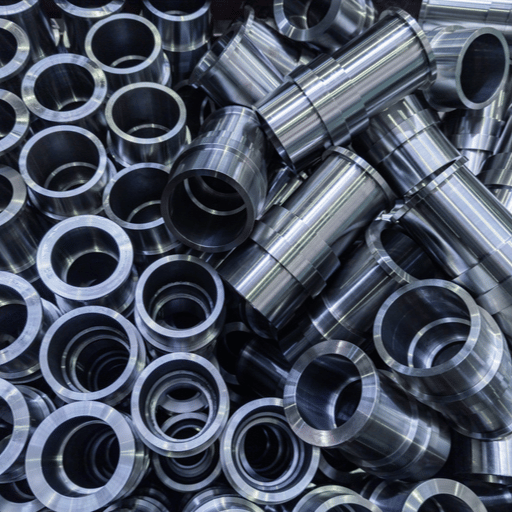
The wide variety of suppliers and vendor models that come up when researching “steel tubing manufacturers” explain why many quote sheets may use the same description yet one might be based on mill run and the other from existing stock tube in a warehouse.
A tube company may specialize in precision steel, reliable tubing, hydraulic tubing, conduit, or tubular parts for automotive, agriculture, and power generation buyers; customer service, on-time delivery, and turnaround should be checked before a catalog claim becomes a sourcing decision.
The current trend in the steel tube industry is not one volume story: each sector buys different grades, tolerances, and inspection records.
If a quote says “Made in the USA,” ask for mill-origin documents and keep that claim separate from brand location or warehouse stock.
- Integrated tube manufacturer: best for repeatability requirements, strict chemistry demands, documented weld control, or when custom ranges are necessary.
- Welded tube producer: a strong choice for ERW, structural, mechanical, or custom OEM supply where process control for coil-to-tube is important.
- Weld-free pipe or tube maker: a key option where pressure/temperature considerations, machining allowances, or the lack of a weld seam affect the total risk profile.
- Service center or distributor: the most efficient selection when availability from stock, cut-to-length operations and the ability to consolidate diverse product needs into a single delivery is more important than the unique custom manufacture.
International buyers: determine if they can accurately identify who issued the Mill Test Certificate, who retains ownership of the heat number record, and who will handle any claims if failed inspections occur. If a supplier cannot confirm answers to these three questions, treat them as a sourcing partner rather than a genuine manufacturer.
Match Tube Type To Application Before You Ask For Price
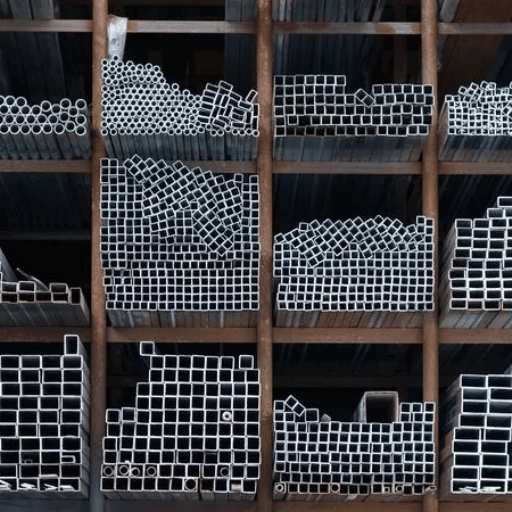
Before the price target for your material should come the tube type. Boilers, handrails, gas transmission projects, structural frames, and hydraulic cylinder sleeves do not need the same product route. When an RFQ only begins with “carbon steel tube,” the supplier is forced to guess the application, which can quickly result in the wrong product family.
| Application | Common tube or pipe family | Buyer note |
|---|---|---|
| Building frame, column, truss, equipment support | HSS / structural steel tubing | Start with ASTM A500 or another structural specification. |
| Machined part, sleeve, bushing, shaft support | Mechanical tubing, DOM, or weld-free mechanical tube | OD, ID, wall, straightness, surface, and machining allowance matter. |
| Corrosive fluid, food, chemical, or high-cleanliness service | Stainless steel tubing or stainless pipe | Grade, surface finish, and test scope need to be explicit. |
| Line pipe, casing, tubing, and energy projects | Pipe products under API or ASTM standards | Use Baling’s API 5L Grade B pipe guide when line pipe grade is part of the decision. |
Use an approved size table prior to sending your RFQ when any dimensions remain fluid. Baling’s pipe size chart serves as a good start when you intend to refer to your order using NPS and schedule terminology. Ensure tube drawings clearly call out OD, ID, and wall thickness directly.
12-Row Size Sanity Check Before You Compare Quotes
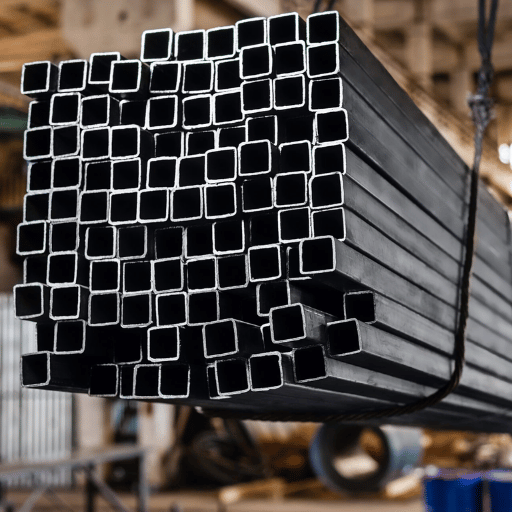
Many steel tubing quote problems begin with size language, not price. A buyer may ask for a tube, a supplier may quote pipe, and the two parties may not discover the mismatch until inspection. Before comparing manufacturers, put the size basis in writing: OD and wall for tube work, or NPS and schedule for pipe work. This step is especially useful when one vendor is a tube mill, another is a warehouse distributor, and another is quoting from imported stock.
The table below is not a design chart. It is a buyer-side sanity check built from Baling’s pipe size guide, which lists standard NPS, DN, OD, and schedule ID examples. Use it to see why “2 inch pipe” and “2 inch tube” can mean different things. A tube drawing should still carry its own OD, ID, wall, length, tolerance, surface, end condition, and inspection notes.
| Size check item | Example value | RFQ risk it prevents |
|---|---|---|
| Small pipe OD reference | NPS 1/2 has 21.3 mm OD and 0.622 in SCH 40 ID. | Prevents a tube OD from being confused with nominal pipe size. |
| One-inch pipe reference | NPS 1 has 33.4 mm OD and 1.049 in SCH 40 ID. | Keeps the supplier from quoting by the wrong inside diameter assumption. |
| Two-inch pipe reference | NPS 2 has 60.3 mm OD and 2.067 in SCH 40 ID. | Flags the difference between nominal pipe language and tube drawing language. |
| Four-inch pipe reference | NPS 4 has 114.3 mm OD and 4.026 in SCH 40 ID. | Helps compare pipe quotes when cutting, threading, or coating is included. |
| Six-inch pipe reference | NPS 6 has 168.3 mm OD and 154.07 mm SCH 40 ID. | Shows why OD and ID must both be named when flow or machining clearance matters. |
| Eight-inch pipe reference | NPS 8 has 219.1 mm OD and 202.67 mm SCH 40 ID. | Stops a buyer from comparing a pipe quote with a mechanical tube quote. |
| Ten-inch pipe reference | NPS 10 has 273.0 mm OD and 254.51 mm SCH 40 ID. | Makes packing, lifting, and import documentation easier to check. |
| Twelve-inch pipe reference | NPS 12 has 323.9 mm OD and 304.8 mm SCH 40 ID. | Keeps the receiving team from using schedule language as a tube tolerance. |
| Fourteen-inch pipe reference | NPS 14 has 355.6 mm OD and 336.55 mm SCH 40 ID. | Forces the quote to separate pipe size, wall, grade, and test scope. |
| Sixteen-inch pipe reference | NPS 16 has 406.4 mm OD and 387.35 mm SCH 40 ID. | Helps logistics teams judge bundle size before the purchase order is released. |
| Twenty-inch pipe reference | NPS 20 has 508.0 mm OD and 489.35 mm SCH 40 ID. | Gives the buyer a quick reason to ask for mill run, cutting, and inspection dates separately. |
For structural tubing, the same size discipline applies in a different way. ASTM A500/A500M states that covered tubing is produced with a periphery of 88 in. [2235 mm] or less and a specified wall thickness of 1.000 in. [25.4 mm] or less for the cited edition. Those limits do not make every shape acceptable for every project; they simply show why the purchase order should name the standard, revision, grade, shape, size, wall, and inspection record together.
Energy work adds another scale issue. The U.S. Department of Energy describes a natural gas transmission network of more than 300,000 miles of high-strength steel pipe, with common transmission diameters normally between 30 in and 36 in. A buyer sourcing for energy, refinery, or utility work should therefore check stock availability, coating schedule, export packing, replacement plan, and document control before treating a fast quote as low risk.
Use this size check as a pre-RFQ filter. If a supplier cannot separate 60.3 mm OD pipe language from a tube drawing, or cannot explain whether 1.000 in wall language belongs to a standard limit or to your actual order, the quote is not ready for purchase review. Ask for clarification before negotiating price.
Specifications That Should Drive The RFQ
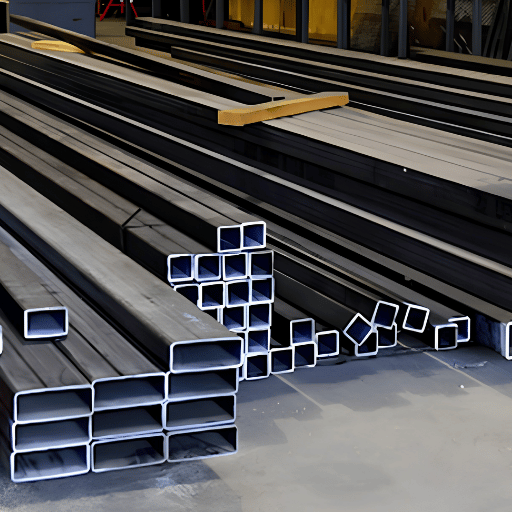
Standards should not be viewed as adornment in a quotation; they set the manufacturing route, grade, shape, test level, and required documents. Without calling for specific standards in your RFQ, a supplier might quote a lower-cost option because the facility relies on a less demanding standard.
The public scope for the ASTM A500/A500M standard covers cold-formed and weld-free carbon steel structural tubing in square, rectangular, round, or special forms. This same public scope states for the given edition that the outer circumference can be no more than 88 inches [2235 mm] and the wall thickness cannot exceed 1.000 inch [25.4 mm]. When a project scope allows for specific control, call out the required edition on your purchase order and cross reference it with your latest project drawings.
| Standard | Public scope | Buyer use |
|---|---|---|
| ASTM A500 | Cold-formed welded and weld-free carbon steel structural tubing | HSS, structural frames, columns, supports |
| ASTM A513 | Electric-resistance-welded carbon and alloy steel mechanical tubing | Mechanical parts, OEM assemblies, formed components |
| ASTM A519 | Weld-free carbon and alloy steel mechanical tubing | Machining allowance, heavy mechanical service, pressure-adjacent designs |
| ASTM A53/A53M | Black and hot-dipped galvanized welded and weld-free steel pipe | General pipe, galvanized pipe, utility applications where pipe standard fits |
| ASTM A106 | Weld-free carbon steel pipe for high-temperature service | Boiler, refinery, and high-temperature pipe service |
| ASTM A312/A312M | Weld-free and welded austenitic stainless steel pipes | High-temperature and general corrosive stainless pipe service |
When a project includes language on both HSS and non-HSS tube, use the Steel Tube Institute specification chart as a reference and to show why “same size” does not necessarily mean “same standard.”
Welded Vs Weld-Free Route: Where The Manufacturing Route Changes Risk
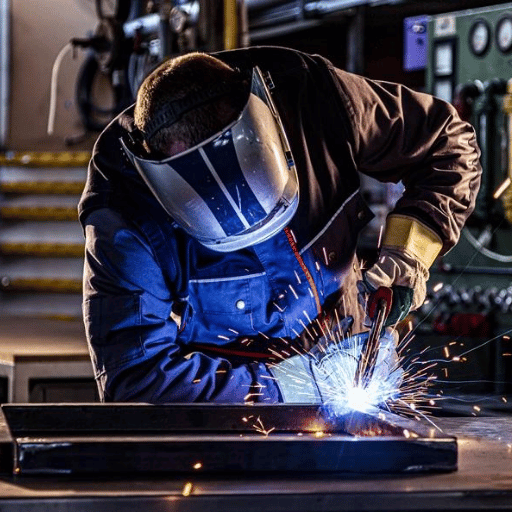
Structural, mechanical, and OEM buyers often use welded tubing where the standard permits it and the weld is controlled, but a tube or pipe made without a longitudinal weld serves a different purpose. This route matters when pressure, temperature, machining allowance, or weld-line risk may change the application.
| Decision point | Welded route | Weld-free route |
|---|---|---|
| Structural HSS | Common when ASTM A500 or project rules allow it | Possible for some round sections, but not automatically required |
| Mechanical machining | Can work when tolerance and ID condition fit the drawing | Often considered when uniformity and machining allowance matter |
| High-temperature carbon pipe | Not the default for ASTM A106 service | ASTM A106 is a weld-free carbon steel pipe specification |
Review Baling’s pipe solutions manufactured without a weld seam when your buyer has reached the manufacturing-route decision. To study welded route options, refer to Baling’s welded steel guide and ERW pipe guide.
Is weld-free steel tube better than welded tubing?
It only works better for structural fabrication when the application requires what the route delivers. A tube or pipe made without a weld seam may be more prudent for pressure service, heavy machining, elevated temperatures, or specifications such as A106 or A519. As with any welded route, make sure the standard and inspection report align with the stated weld process.
Capability Check: Size Range, Wall Tolerance, Coating, And Cutting Service
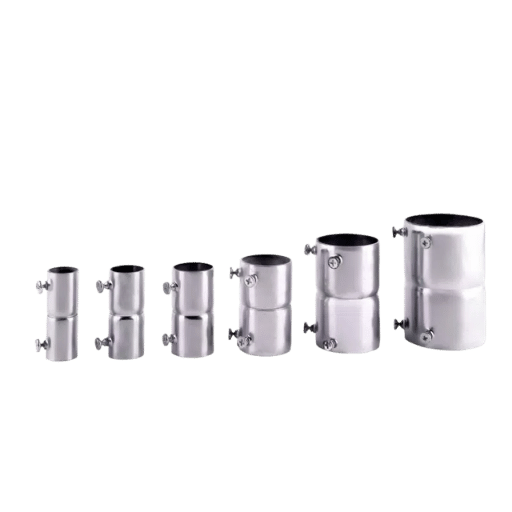
After establishing standard comparability, it is then important to determine product capability. If the supplier that quotes your item with a specific grade of material cannot supply, for instance, the required straightness and a specific end condition, you may be looking at further project delays.
- Call out wall thickness, OD, the correct amount of quantity and what end condition and quantity your application calls for, any required length and a requested straightness dimension.
- Inquire about the material’s regularly scheduled production run: was it ordered for this process, or is it stocked in inventory?
- When calling out HSS tubing, use the Steel Tube Institute HSS tolerance resources for ordering and dimensional inspection questions.
- Include coating scope, marking, bundling, and shipping protection in the RFQ if the project needs long-term durability. You can use Baling’s FBE coated pipe guide to structure coating discussions.
Practical RFQs don’t need to be novels-just sufficient detail to ensure that the manufacturer quotes the same product an engineer hopes to receive.
Inspection Documents: MTC, Traceability, Tolerances, And Third-Party Testing
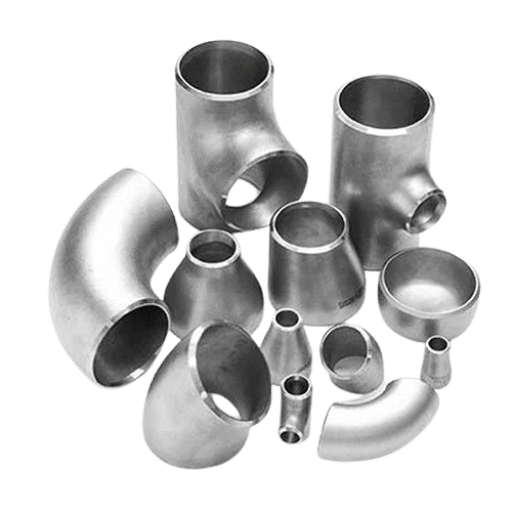
Document control is often where competitive steel tubing supplier comparisons start to bite. The lowest price isn’t worth much if the material doesn’t arrive with the required certificate, heat number, grade, or inspection report required by the receiving team.
What documents should a steel tubing supplier provide?
You should request at minimum a Mill Test Certificate correlated to the heat number, applicable standard and grade, chemical and mechanical tests where needed, and the scope of dimensional inspection, method of marking, and any required third-party inspection prior to production. For regulated projects, your purchase order should state if original mill documents, an EN 10204-type certificate, or a buyer inspection release is required.
Forum discussions about metal sourcing or quality concerns often focus on the same root issue: it is much easier to spot document discrepancies before the material is shipped rather than after it has been installed. Ensure heat numbers, grades, and test results align with your order so these issues are addressed prior to manufacturing.
Buyers of oilfield products, such as casing and tubing, should familiarize themselves with Baling’s casing and tubing guide; that language differs from a typical structural tube order.
Lead Time And Supply Chain: Inventory, Imports, And Delivery Risk
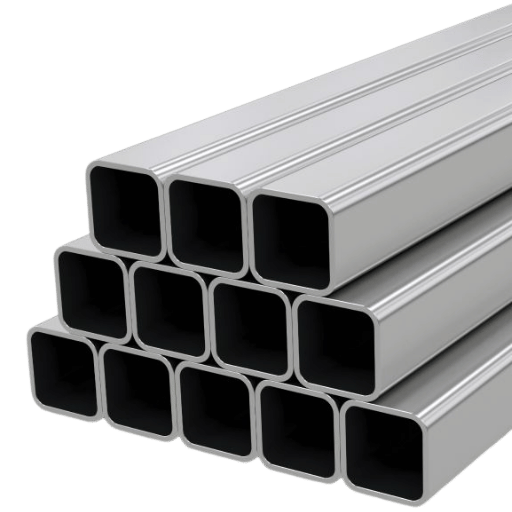
Quality involves both stock availability and lead time. When a quote calls for an out-of-stock wall thickness, a backlog on a slow coating line, a single import option or a gap in mill inspection availability, the quote may be incorrect even if the tube itself is correct.
| Risk point | Question to ask | Reason |
|---|---|---|
| Stock vs mill run | Is the tube in warehouse inventory or scheduled for production? | Stock cuts time; mill runs give more control. |
| Welded process route | Is this ERW, LSAW, spiral welded, DOM, or another route? | Route affects availability, wall range, documents, and use case. |
| Shipment and import | Who controls export packing, marking, customs documents, and replacement material? | International tube supply can fail at paperwork and logistics, not only production. |
Baling’s LSAW pipe guide and spiral welded pipe guide should be reviewed separately for pipe production involving those specific methods before treating all welded supply as equivalent.
The 6-Gate Tube Supplier Fit Matrix
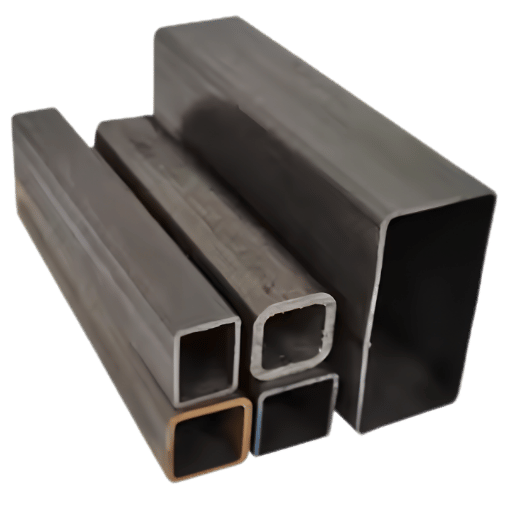
For non-price comparisons of steel tubing manufacturers, refer to the 6-Gate tube supplier Fit Matrix, so your selections meet each appropriate gate required for application.
| Gate | Pass condition | Red flag |
|---|---|---|
| 1. Product route | Welded, weld-free, DOM, HSS, mechanical, or pipe route is named. | Quote says only “steel tube.” |
| 2. Material | Carbon, stainless, alloy, nickel, or titanium family is stated with grade. | Supplier substitutes a “similar” grade without written approval. |
| 3. Specification | ASTM, API, EN, or project specification is visible on the quote. | The quote avoids the standard or revision. |
| 4. Proof | MTC, heat traceability, and inspection scope are agreed before production. | Documents are promised only “after shipment.” |
| 5. Supply plan | Stock, mill run, cutting, coating, packing, and shipment dates are separated. | One vague lead time covers every step. |
| 6. Response | The supplier answers technical questions before the order is placed. | The seller pushes for payment before resolving specification gaps. |
In addition to Baling’s stainless steel welded pipe guide, you can compare the alloy pipe guide and mild steel pipe guide as you construct a supplier shortlist.
Products And Services: Tube Products, Product Offerings, And Quality Claims
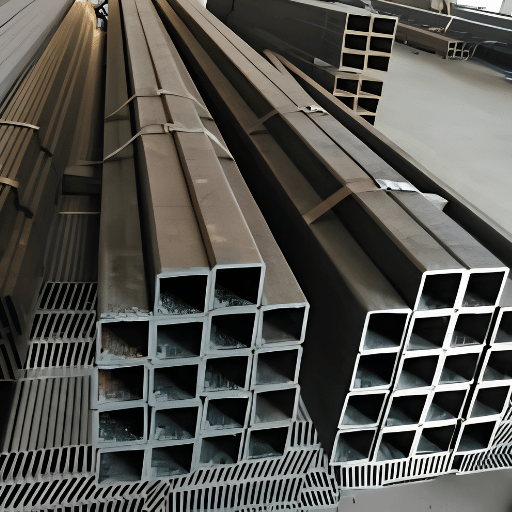
Some suppliers highlight family-owned management, highest quality claims, nickel or titanium capability, and broad products and services. Treat those claims as useful only when the quote connects each product offering to an actual grade, test scope, and delivery record.
Market Outlook: Specialty Tubes, Infrastructure Demand, And Supply Risk In 2026
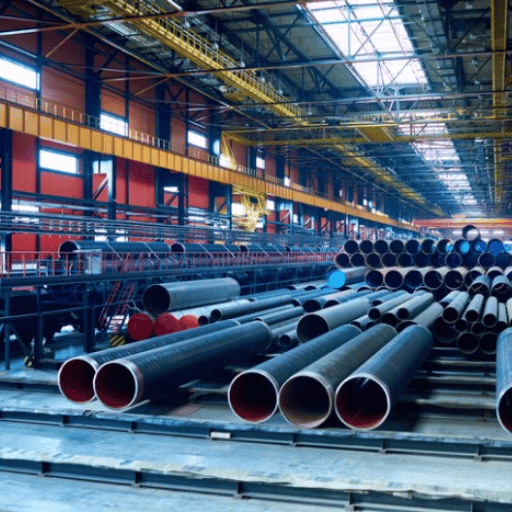
Plan for variation in demand; do not expect all steel tube segments to move together. The World Steel Association forecast global steel demand of around 1,749 Mt in 2025 and 1,773 Mt in 2026, a 1.3% increase. That broader steel industry outlook supports cautious inventory planning rather than fear buying.
“moderate growth in 2026”
Alfonso Hidalgo de Calcerrada, Chair of the worldsteel Economics Committee
A ResearchAndMarkets listing for the steel pipes and tubes market report estimates global demand at $137.62 billion in 2025, with a projection of $209.89 billion by 2033. While this broad forecast of the market is useful context for capacity and application demand, do not substitute it for a current check with the mills on their lead time.
Here is one reason pipe and tube availability can shift quickly: the U.S. Department of Energy notes more than 300,000 miles of high-strength steel pipe in the natural gas transmission network, with typical transmission diameters between 30 and 36 inches. Energy infrastructure can tighten pipe and tube availability even when local fabrication demand looks quiet.
About This Analysis
This buying guide is designed to help you choose between steel tubing manufacturers, not define steel. Baling Steel can furnish carbon steel pipe, stainless pipe, oil well tubing, fittings, and related steel products for industrial projects; final material selection should still be checked against drawings, standards, inspection plans, and destination rules.
FAQ
Q: What is the difference between a steel tube manufacturer and a tubing supplier?
View Answer
Q: Which ASTM standards matter most for steel tubing buyers?
View Answer
Q: What does HSS mean in steel tubing?
View Answer
Q: When should buyers choose pipe made without a weld seam instead of welded tubing?
View Answer
Q: What should be included in a steel tubing RFQ?
View Answer
Q: How do you compare two steel tubing quotes fairly?
View Answer
Related Baling Guides
References & Sources
- ASTM A500/A500M structural tubing standard page – ASTM International
- ASTM A513 mechanical tubing standard page – ASTM International
- ASTM A519 mechanical tubing standard page – ASTM International
- ASTM A53/A53M pipe standard page – ASTM International
- ASTM A106 carbon steel pipe standard page – ASTM International
- ASTM A312/A312M stainless pipe standard page – ASTM International
- Steel Tube ASTM Specifications side-by-side reference table – Steel Tube Institute
- HSS tolerances resources – Steel Tube Institute
- Short Range Outlook October 2025 – World Steel Association
- Natural Gas Technologies R&D – U.S. Department of Energy
- Steel Pipes & Tubes Market report listing – ResearchAndMarkets