Steel coil is near the start of many metal buying decisions, but the lowest quote is far from always being the safest quote. Procurement teams sort through mill output, coil processing charges, coating, inspection records, exact specifications, packaging, and delivery risk before comparing quotes.
This practical guide will assist procurement teams in selecting the most appropriate steel coil supplier type, compare the factors affecting prices without relying on a non-specific per-ton quote, and prepare an improved RFQ before selecting a product page like stainless steel coil specifications and sourcing.
What Steel Coil Manufacturers Actually Provide
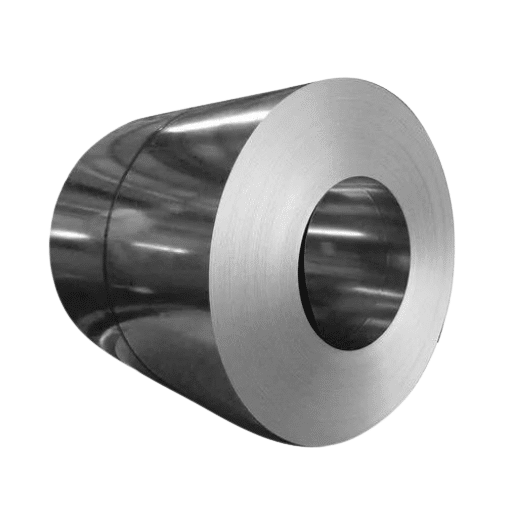
A steel coil is flat rolled steel wound into coil form after steelmaking, rolling, annealing, pickling, or finishing. Cold-rolled steel is rolled at room temperature, below its recrystallization temperature, when the buyer needs tighter dimension control and a smoother surface. Steel coils are used as feedstock for roll forming, blanking, tube production, appliance skins, and metal panels.
This distinction matters as the mill has full control of the steel manufacturing and rolling process, whereas converters might control the slitting, leveling, edge trimming, surface treatment, packaging and delivery schedule. Distributors may hold stock and ship quickly but have limited control of melt source. Traders may present export documentation and consolidated purchasing but the buyer needs mill definition.
For carbon steel, the buyer often compares hot-rolled steel, galvanized steel, and pre-painted coil or cold-rolled coil grades. For stainless steel, the buyer compares the alloy family, surface finish, chrome level and tolerance. Either path can be right and the wrong path can cause quote confusion.
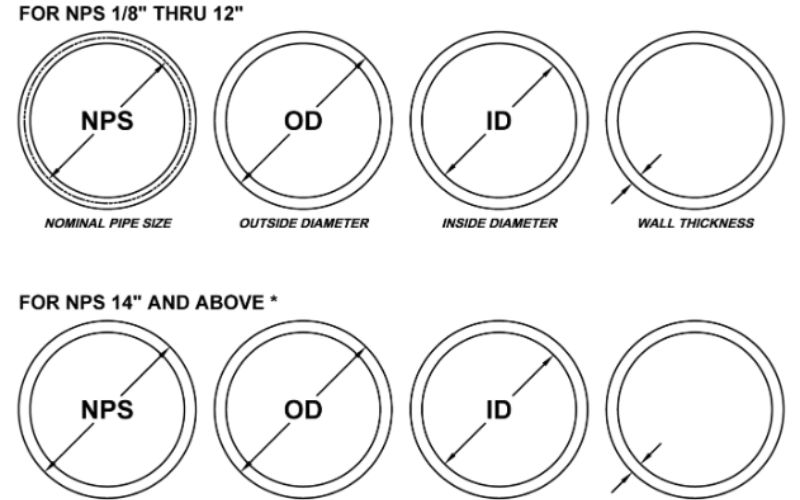
Buying groups should ask for exactly the grade or standard, ordered thickness or gauge, width, coil ID/OD requirement, maximum coil weight, edge condition, coating grade, and surface finish or textured finish before comparing suppliers. Otherwise the lure of the lowest unit price may hide different substrate or finish.
Manufacturer, Mill, Processor, Distributor, Or Trading Supplier?
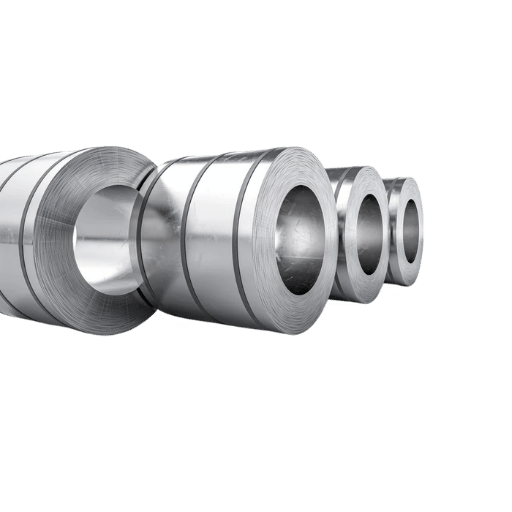
Supplier type is the most useful initial indicator. Mills may be better suited to high volume repeat orders where the source can be tightly defined. Converters may be more appropriate for slit coil, sheet and coil order sizes, narrow tolerances or special surface finishes. Distributors who have stock and short lead times available can be helpful. Export trading suppliers who can coordinate overseas grades, inspections, and freight may offer practical supply chain solutions.
| Supplier Type | Best Fit | Buyer Risk To Check |
|---|---|---|
| Steel mill | Large repeat orders, direct mill traceability, fewer grade changes | MOQ, rolling schedule, export support, flexibility on small widths |
| Coil processor | Slitting, cut-to-width, leveling, edge work, tighter coil products | Whether material is sourced from mills with traceable heat records |
| Distributor or service center | Stock orders, mixed materials, short shipment windows | Material age, substitution policy, record quality, coil damage |
| Export trading supplier | Multi-grade sourcing, overseas shipment, inspection coordination | Real mill source, inspection timing, packing scope, claim handling |
Are steel coil manufacturers and suppliers the same?
No. Focus less on the label and more on the role behind the quote: mill, converter, stock supplier, or trading supplier. The offer should name the source, processing plant, stock location, certificate originator, inspection lab, and party responsible if the coil arrives wet, scratched, or outside tolerance.
Steel Coil Types: Galvanized Steel Coil, Cold-Rolled Gauge, And Substrate Choices
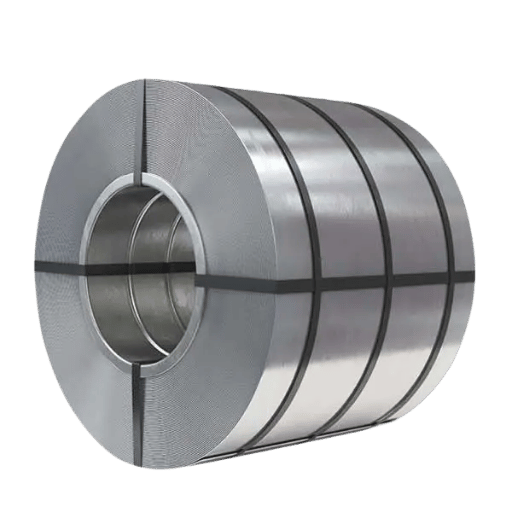
Coil type labels cover much more than material name. They refer to the rolling route, alloy, galvanization method, coating, surface and edge quality, width and application conditions. This is the reason why a quote requested for “galvanized coil” can produce four separate incompatible quotes.
| Coil Type | Common Use | Spec Point To Lock | Main Risk |
|---|---|---|---|
| Hot-rolled coil | Structural parts, pipe, equipment frames, general fabrication | Grade, thickness, pickled/oiled status, width | Surface scale or looser surface expectations |
| Cold-rolled steel coil | Body panels and parts needing smoother surface and tighter dimensional control | Temper, surface finish, tolerance, edge condition | Substitution with a different finish or temper |
| Hot-dipped galvanized steel coil | Roof, siding, ducting, outdoor steel products, panels | Coated with a layer of zinc; coating designation, spangle, passivation, oiling | Corrosion at edges, coating mismatch, wet storage stain |
| Galvalume or alloy-coated coil | Building panels, metal sheet, and roofing materials | Coating system, paint compatibility, substrate | Assuming it behaves like plain galvanized steel |
| Stainless steel coil | Heat exchangers, food equipment, chemical handling, trim | Alloy grade, chromium/nickel family, finish, thickness | Choosing stainless where galvanized would work, or the reverse |
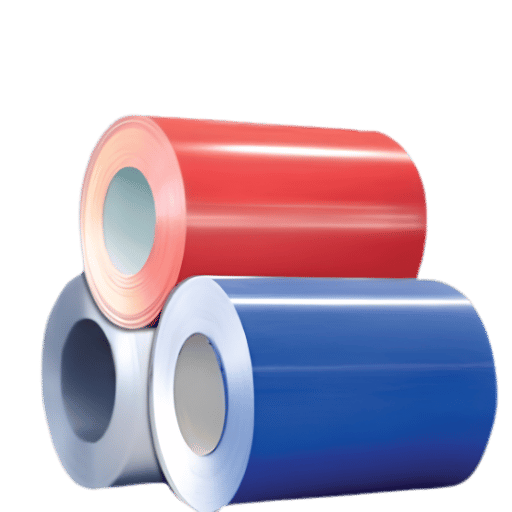
| Pre-painted coil | Metal roofing, wall panels, metal panels, appliance skins, colored panels | Paint system, film thickness, color, aesthetic appeal, adhesion test scope | Painted products quoted without substrate and coating detail |
Rolling coil form makes for the most cost effective transport, coil blanking, roll forming, slitting and coiling processes. It allows the customer to buy matching sheet and coil packages where traceability is significant.
A coil as a product is far less tolerant to flexible specifications. Incorrect gauge, coating, surface quality or edge condition can have a detrimental effect on every blank or panel downstream, not just a single part.
What are the different types of steel coils available?
Buyers almost always begin with hot rolled, cold-rolled, galvanized, galvalume, stainless, or pre-painted coil. These materials are available in various grades, so questions often refer to a particular standard, surface specification, coating, and processing method. For ASTM A1011/A1011M steel, this means a spec covering hot rolled carbon, structural, high strength low alloy, and similar steel sheet and strip in coil and cut length. For ASTM A653/A653M, this means a spec for zinc-coated, or zinc-iron alloy-coated sheet in coil and cut length.
Steel Coil Pricing: What Moves A Quote Before Freight
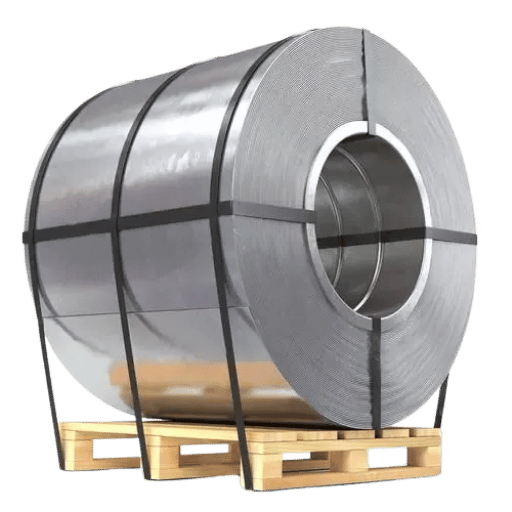
Steel coil pricing changes before shipping. Grade, alloy level, coating weight, steel gauge, width, coil weight, purchase size, surface prep and process method will affect price. Price quotes leaving out any of these elements are not lower, just incomplete.
Indices are useful as an early warning. BLS Producer Price Index series WPU101 for iron and steel hit 353.916 as of Apr 2026; the data page displayed a May 13, 2026 update in the same browser page view. This is not a quote for coil. It illustrates why repeated RFQs should refer to timing.
| Price Driver | What To Ask | Why It Changes The Quote |
|---|---|---|
| Grade and alloy | Exact standard, grade, chemistry family, and substitute policy | Low carbon options, carbon content, alloy additions, and stainless grades change melt cost |
| Gauge or thickness | Ordered thickness, tolerance, and whether gauge is nominal or actual | Weight per coil and yield affect both material cost and freight |
| Coating | Zinc coating, galvalume, paint system, passivation, oiling | Coating line, coating metal, and finish steps add cost |
| Width and slitting | Mother coil width, slit width, edge condition, burr control | Yield loss and setup time change the processing charge |
| MOQ and schedule | Mill MOQ, stock quantity, rolling window, partial shipment | Small orders may pay stock premiums or setup charges |
| Packing and freight | Seaworthy packing, coil eye direction, container plan, insurance | A lower EXW price can lose value after damage risk and logistics are counted |
What factors affect the pricing of steel coil?
Key drivers are the base metal, gauge, grade, width, coating, buy quantity, and how the coil is processed, packed, and delivered. Two steel coil sources can quote the same nominal material while only one includes slitting service, export packaging, coordination of third-party inspection, and MTC review, so the cheaper offer may fail after landed-cost and inspection checks.
The 8-Point Coil Supplier Vetting Matrix
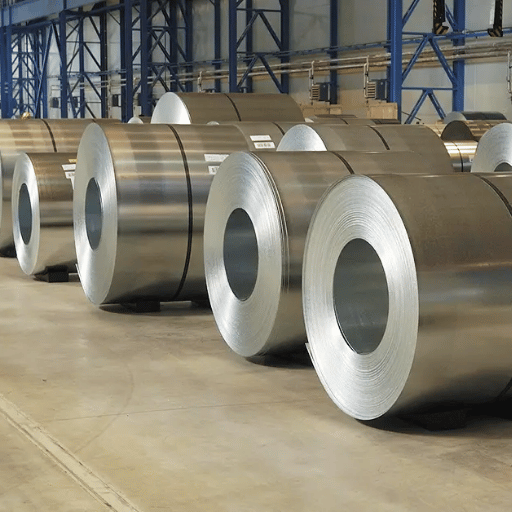
This guide’s “8-point coil supplier vetting guide” works best if it is consulted prior to asking for a price reduction. It transforms any consideration of specific supplier into a pass/fail assessment by purchasing staff, designers and the quality staff.
| Point | Pass Signal | Warning Signal |
|---|---|---|
| 1. Source traceability | Mill name, heat number, and certificate issuer are stated | Only generic “prime material” wording appears |
| 2. Spec clarity | Grade, gauge, width, surface, coating, and tolerance are locked | Supplier quotes “standard” without a standard number |
| 3. Processing control | Slitting, leveling, edge, and packing steps are listed | Processing is outsourced but unnamed |
| 4. Inspection access | Pre-shipment inspection is accepted before loading | Inspection only after balance payment |
| 5. Coating proof | Zinc or paint system data is tied to the coil lot | Only a catalog coating name is given |
| 6. Packing plan | Photos, labels, edge protection, and moisture control are part of the offer | Packing is listed as “standard export” only |
| 7. Claim path | Supplier states who handles certificate, damage, and shortage claims | Claims are pushed to a third party after shipment |
| 8. Repeat order control | Repeat specs can be frozen by drawing, RFQ sheet, or purchase spec | Every order starts from a fresh email thread |
Try one RFQ with exactly the same criteria for three different suppliers. If a quote leaves the coating, MTC category, packing scope, or inspection timing blank, it is not the low quote; it is an incomplete response. High-quality coil buying brings those variables into the open before the purchase order is issued.
RFQ Lock Sheet: Specs To Freeze Before Comparing Manufacturers
Good RFQs reduce assumptions. Buyers and reasonable vendors both benefit. Any purchase document which is highly specific reduces the opportunity for a coil supplier to quote an inferior substitute metal, different coating or a less tightly controlled surface.
- Material standard and grade: e.g. ASTM A1011/A1011M; ASTM A1008/A1008M; ASTM A653/A653M; ASTM A240/A240M; or a custom standard for a given project.
- Thickness or gauge with tolerance;width and edge treatment, along with any targeting coil weights
- Surface: and the inclusion of a particular oiled condition or passivation treatment, film coating or paint specification, as well as matte finishes may apply to a product.
- For galvanized or pre-painted coils, the coating specifications, zinc coating, and paint system should appear in the RFQ.
- Third-party inspection timing; whether there is a heat # and MTC, plus the details of any Certificate of Test & inspection (CTI).
- Packing: container loading and arrangement; types of inner and outer protection, and whether it will feature any moisture resistance.
For stainless steel coil, buyers need to be explicit about the particular stainless steel being ordered and the overall material specifications for general flat product needs: ASTM A240/A240M for chromium and chromium-nickel stainless steel plate, sheet and strip; ASTM A480/A480M for general specifications for flat-rolled stainless and heat-resisting steel products. Buyers can learn more about specific stainless steel coil products before preparing a quote.
Quality Documents, Corrosion Checks, And Flat Rolled Steel Coil Orders
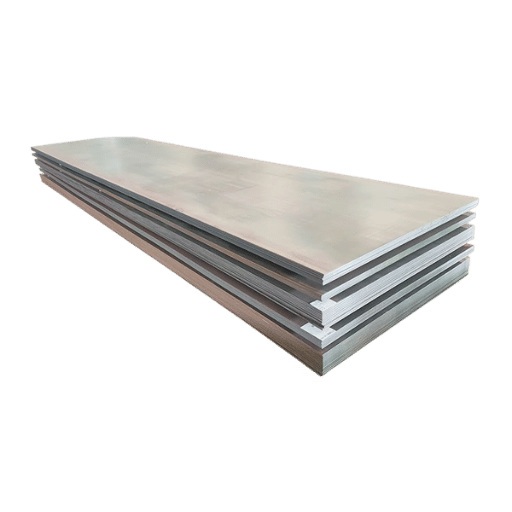
Before the coil leaves the plant, clean MTCs should link the coil to a heat number, grade, chemistry, mechanical results, standard reference, dimensions, and lot identity. With coated material, the purchaser likewise requires coating data for the delivered lot.
“Global demand is bottoming out over the 2025-2026 period.”
Alfonso Hidalgo Calcerrada, Chief Economist, World Steel Association
The World Steel Association April 2026 outlook stated that market signals may change between an offer date and product shipment. All price checks and quality checks should include the date.
| Check | Why It Matters | Ask Before Shipment |
|---|---|---|
| Heat number | Connects coil to chemistry and mechanical results | Will heat numbers appear on labels and MTC? |
| Standard and grade | Prevents substitution under a generic product name | Which standard version and grade will be certified? |
| Chemistry and mechanics | Shows whether the alloy and properties match the order | Will the report list actual values, not only pass/fail? |
| Coating record | Links zinc, galvalume, or paint data to the delivered coil | What coating test or record is supplied? |
| Surface and edge | Protects downstream slitting, blanking, or roll forming | Can photos or inspection notes show surface and edge condition? |
| Packing condition | Reduces rust, wet storage stain, dents, and handling damage | Will pre-loading packing photos be provided? |
Remember that with zinc-coated coil, galvanization is more than visible coating protection; the steel is coated with a layer of zinc that provides barrier and cathodic protection per the American Galvanizers Association. Edge condition, handling damage and storage humidity warrant separate assessment lines.
Overseas Procurement: MOQ, Lead Time, Packaging, And Shipping Risk
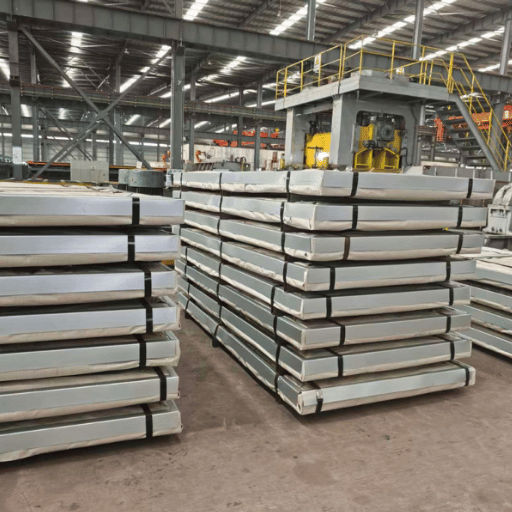
Overseas purchasing can add several transit weeks and requires coordination of mill MOQ, coating line schedule, assessment timing, export packing, container loading, payment terms, and record release. Treat blank purchase orders as risk.
| Procurement Risk | Question To Ask | Useful Internal Resource |
|---|---|---|
| Certificate mismatch | Can the MTC be reviewed before final payment? | material test certification |
| Inspection timing | Is third-party inspection allowed before loading? | professional inspection |
| Packing damage | Are coil eye, edge protection, moisture barrier, and loading photos included? | shipping service |
| Wrong standard reference | Which standard will appear on the purchase order and certificate? | standard reference |
When buying among zinc, stainless, hot-rolled, and galvanized coil from one supplier team, use discrete RFQ forms, not a wide email. Stainless inquiries should begin from stainless steel coil; contrast hot-rolled coil and sheet selections, then request a blended-lot offer for carbon steel.
Industry Outlook: Volatility, Coated Coil Demand, And Supply Chain Signals
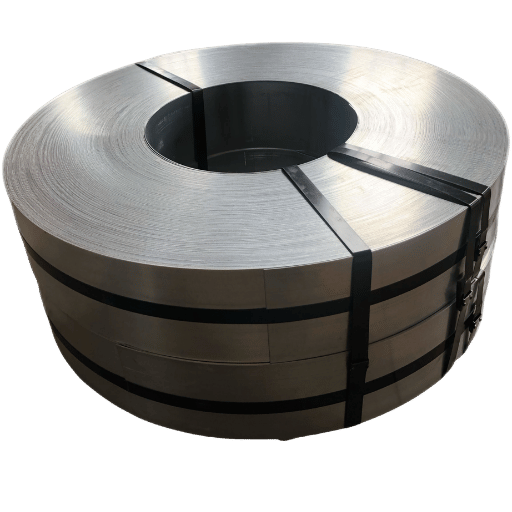
Think about the steel industry as a dynamic market; solid supplier relationships include dependable quote structure and document control to reconfigure orders amid index, shipping and transit as well as coating cost changes. Do not mix commodity coil buying with transformer steel inquiries, where magnetic properties can matter more than appearance.
Commerce Department’s SIMA steel import monitor identifies steel mill import quantities to the U.S. in close to real time; license information is updated weekly, making SIMA a useful viewpoint for foreign buyers when coil delivery takes longer.
Worldsteel’s same outlook pegged global steel demand at 1,724 Mt for 2026 and 1,762 Mt for 2027; U.S. demand was projected to rise 1.7% in 2026 and 2.0% in 2027. Consider this context, not a quote.
Prior to acquiring coated coil, gauge 3 indicators: coating availability and protection levels; construction and roof demand for the end product; and whether a matching substrate and supplier are offered. For stainless steel coil, keep track of alloy add-ons, lead times to attain required surface finishes, and supplier continuity.
FAQ
Q: What is steel coil?
Answer
Q: How is steel coil manufactured?
Manufacturing answer
Q: What are the main types of steel coil?
Type answer
Q: What factors affect steel coil pricing?
Pricing answer
Q: Are steel coil manufacturers cheaper than distributors?
Cost answer
Q: What documents should I request from a coil supplier?
Document answer
Q: Can one supplier provide stainless, galvanized, and pre-painted coil?
Supplier answer
Q: When should I choose stainless steel coil instead of galvanized coil?
Material answer
About This Procurement Guide
This guide helps buyers compare manufacturers, processors, stock suppliers, traders, and export agents of steel coil. It separates public information, standard references, and concrete inquiry checks so a buying department can move from a general supplier list to a useful RFQ.
Before buying, assess surface expectations and stock item needs so you’ll be able to compare and procure quotes.
Related Articles
References & Sources
- Short Range Outlook April 2026 – World Steel Association
- Producer Price Index by Commodity: Metals and Metal Products: Iron and Steel – U.S. Bureau of Labor Statistics
- Steel Import Monitor – U.S. Department of Commerce
- ASTM A653/A653M – ASTM International
- ASTM A1011/A1011M – ASTM International
- ASTM A240/A240M – ASTM International
- ASTM A480/A480M – ASTM International
- How long does hot-dip galvanizing last? – American Galvanizers Association