Every year, procurement teams receive dozens of quotes for galvanized pipe from manufacturers they’ve never audited. Price looks good. Lead time looks fine. But without checking three specific ASTM standards, verifying the Mill Test Certificate, and confirming zinc coating weight — you risk receiving substandard product that fails inspection, triggers field rework, or corrodes within two years of installation. This guide covers what qualified galvanized pipe manufacturers must document, how to read a spec table, and the 7-point framework Balingsteel uses to help buyers evaluate any supplier before committing to an order.
Quick Reference — Galvanized Steel Pipe
| Base material | Carbon steel pipe with zinc coating |
| Galvanizing method | Hot-dip (HDG) or in-line pre-galvanizing |
| Primary standards | ASTM A5³ (pipe) · ASTM A123 (coating) · ASTM A780 (repair) |
| Common schedules | Schedule 40, Schedule 80 |
| Standard size range | NPS ½” – 12″ (standard production range) |
| Thread standard | NPT (National Pipe Thread, ASME B1.20.1) |
| Typical applications | Water supply, irrigation, structural framing, conduit, fencing |
What Is Galvanized Pipe? How Manufacturers Produce It
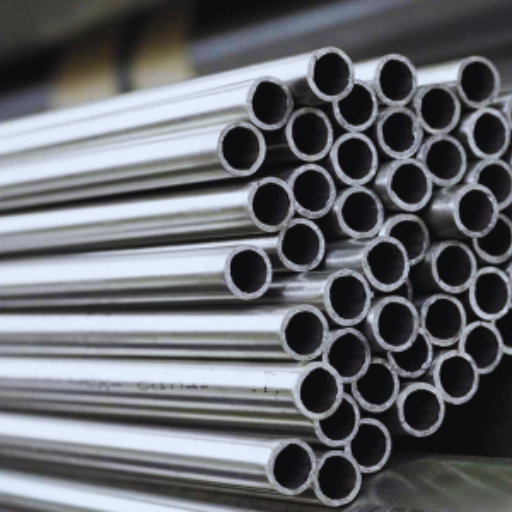
Galvanized pipe is carbon steel pipe finished with a zinc coating for corrosion inhibition. The coating acts as a dedicated corrosion barrier, sacrificially oxidizing to protect the steel underneath from degradation when used outside, in moist locations, or in chemically active conditions where unprotected steel would quickly develop deterioration.
What is galvanized pipe?
Galvanized pipe is a coating of zinc applied over a steel pipe to inhibit corrosion. This coating sacrificially oxidizes in preference to the steel, prolonging the life of the pipe when used in harsh or outdoor environments.
Hot-dip galvanizing (HDG) is the dominant method for pressure-rated pipe. The manufacturer immerses the finished steel pipe into a bath of molten zinc at approximately 450°C (840°F). The zinc metallurgically bonds to the steel surface, forming a layered coating: a zinc-iron alloy intermetallic layer beneath a pure zinc exterior. This is the hot-dip galvanizing process mandated by ASTM A53 Section 17 for all galvanized pressure pipe sold under that specification.
Pre-Galvanized (in-line) involves applying zinc to steel strip prior to pipe forming and welding. This method suits mechanical tubing, fencing, and HDG (hot-dipped galvanized) pipe products outside of pressure service — coatings tend to be thinner than hot-dip. Trade buyers sourcing galvanized iron (GI) pipe will encounter both methods depending on the product specification.
Base pipe construction for galvanized pipe products uses either ERW steel pipe — weld-formed from flat strip — or extruded seamless steel pipe for critical pressure zones requiring uniform wall properties. Steel tubing and round pipe represent the two most common product forms; both are available as galvanized pipe products in standard NPS sizes.
⚠ Common Misconception
“Galvanized pipe is a permanent rust-inhibitor.” – Not entirely. Zinc provides sacrificial protection, not permanent resistance. While the zinc layer will oxidize preferentially, once it is sacrificed the steel beneath without the additional barrier will rust similarly to uncoated steel; the structural potential is lost. How much coating weight and ongoing maintenance is key.
ASTM Standards Every Buyer Must Verify Before Ordering
All of these products are governed by 3 ASTM standards. Providing documentation showing the manufacturer has achieved industry compliance to all 3 must be a pre-requisite before considering ordering from a manufacturer that fails to produce the certifications on demand.
| Standard | Scope | Key Requirement | Buyer Action |
|---|---|---|---|
| ASTM A53 | Steel pipe — dimensional, mechanical, chemical specification | Grade B: 60,000 PSI tensile / 35,000 PSI yield; Section 17 mandates hot-dip zinc | Confirm Grade (A or B), Type (E/S/F), and galvanized clause on MTC |
| ASTM A123 | Zinc coating specification for hot-dip galvanized iron and steel products | Minimum zinc coating: 1.0 oz/ft² (45 µm) for thin-wall pipe; 1.7 oz/ft² (75 µm) for wall ≥ ⅛” | Request zinc coating weight test results; verify with magnetic gauge on delivery |
| ASTM A780 | Repair of damaged or uncoated areas after galvanizing | Cut ends and damaged spots must be repaired using zinc-rich paint or zinc solder per A780 | Inspect cut-end treatment on delivery; confirm manufacturer’s A780 repair procedure |
⚙ Engineering Note — ASTM A123 Zinc Coating Weight
All ASTM A123 coating thickness requirements are minimums only — there is no maximum specification. If a supplier achieves significantly above-minimum zinc weight, that is a quality advantage, not a defect. The American Galvanizers Association confirms: a pipe galvanized in full conformance with ASTM A123 automatically satisfies the galvanizing requirements of ASTM A53 Section 17.
What is the difference between Schedule 40 and Schedule 80 galvanized pipe?
Schedule designation tells you the wall thickness relative to the measured nominal pipe size; not the pressure this thickness will be rated for by itself. 80 schedules have a thicker wall than their 40 counterparts for the same size measured diameter. 2 inch Nominal Piping Schedule 40 has a wall of 0.154″ while Schedule 80 has a wall of 0.218″. This extra thickness provides the product with added structural strength at the expense of internal bore and added weight and cost. When should you specify for Sch 80? When the intended pressure demands the extra reinforcement, mechanical loadings will be high, or corrosive environment requires strong walls.
Galvanized Steel Pipe & Tube Sizes, Wall Thickness & Weight Chart
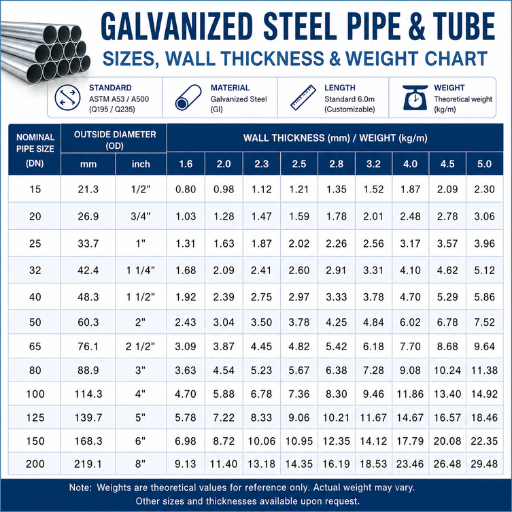
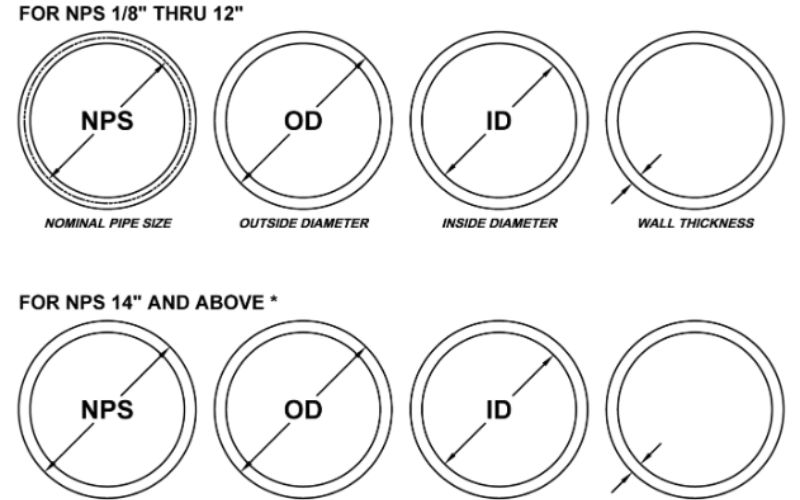
Galvanized pipe is specified by Nominal Pipe Size (NPS), which refers to a standardized diameter designation — not the actual outside diameter. The table below covers the most common NPS sizes and schedules per ASTM A53 / ANSI B36.10M. For the full standard pipe sizes reference, see our standard pipe sizes guide and pipe weight per foot calculator.
| NPS | OD (in) | Sch 40 Wall (in) | Sch 80 Wall (in) | Sch 40 Wt (lb/ft) | Thread (NPT) |
|---|---|---|---|---|---|
| ½” | 0.840 | 0.109 | 0.147 | 0.85 | 14 TPI |
| ¾” | 1.050 | 0.113 | 0.154 | 1.13 | 14 TPI |
| 1″ | 1.315 | 0.133 | 0.179 | 1.68 | 11½ TPI |
| 1½” | 1.900 | 0.145 | 0.200 | 2.72 | 11½ TPI |
| 2″ | 2.375 | 0.154 | 0.218 | 3.65 | 11½ TPI |
| 3″ | 3.500 | 0.216 | 0.300 | 7.58 | 8 TPI |
| 4″ | 4.500 | 0.237 | 0.337 | 10.79 | 8 TPI |
| 6″ | 6.625 | 0.280 | 0.432 | 18.97 | 8 TPI |
Source: ASTM A53 / ANSI B36.10M. OD and wall thickness are nominal; actual dimensions may vary within ASTM tolerances. Weight shown for Sch 40 only; Sch 80 weight is proportionally greater.
Pro Tips – How to Read the Mill Markings on a Galvanized Pipe
ASTM A53 mandates that all galvanised pipe has stamped or stencilled marks: name or trademark of manufacturer, ‘ASTM’, ‘B-53’ ‘nominal bore’, ‘schedule’ or ‘approximate wall thickness’, and ‘Type’ (E for Electric Resistance Welded, or S for Seamless). If the air freighted pipe arrives without this information, it is unlikely to be manufacture red to specification—request the entire MTC before acceptance of delivery. As a note, look for a galvanized square steel tube designation to confirm that the material is structural tubing, as opposed to round pipe.
Common Applications by Industry — Which Grade for Which Use Case
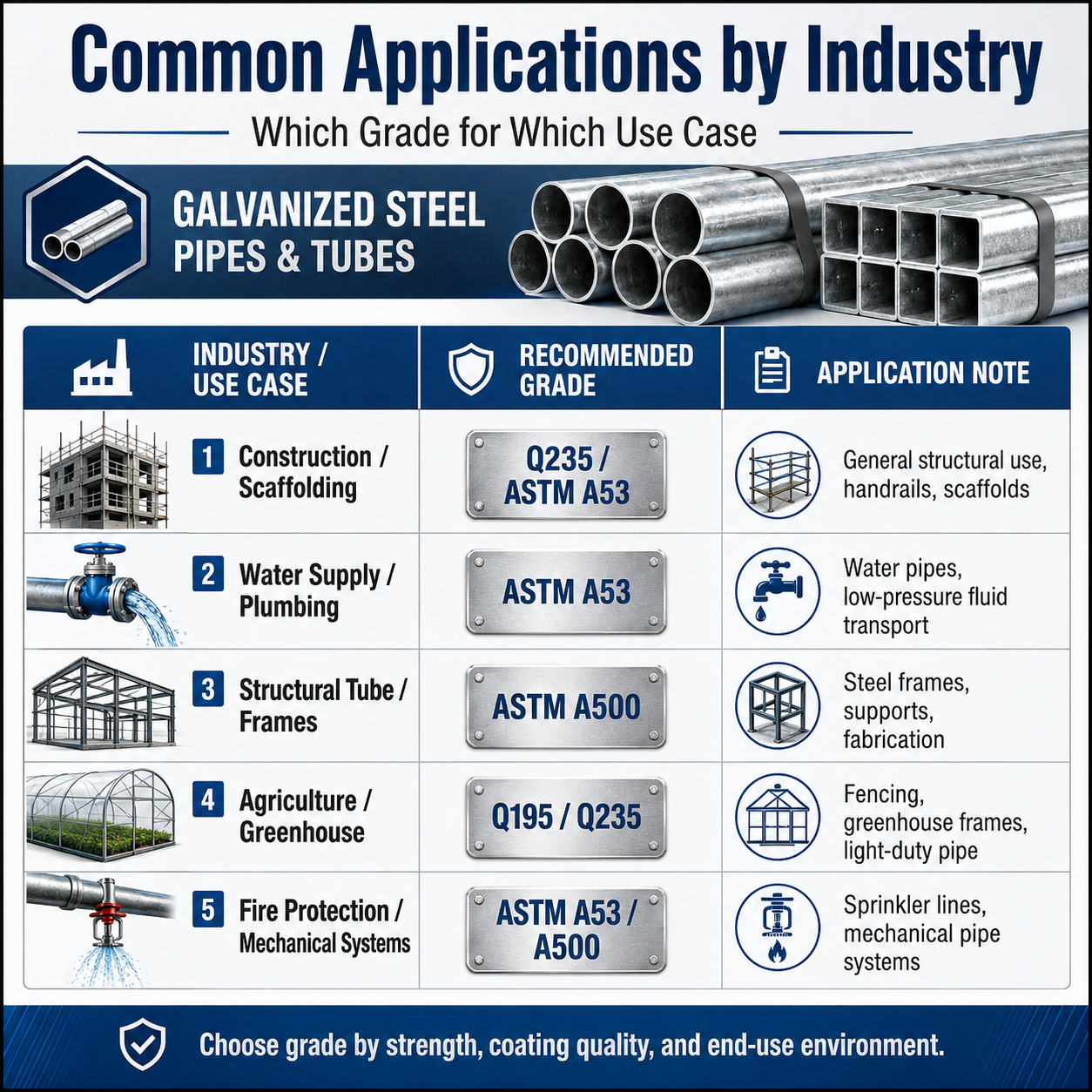
Galvanised Steel Pipe provides for a broad spectrum of uses, but not all pipe grades perform equally in the wide variety of environments for which they are intended. Fielding incorrect specifications of pipe in an application can lead to corrosion failure, non-compliance with code, and problems in the delivery system. The following table summarizes the primary end uses of pipe so that the appropriate galvanized pipe grade can be specified.
| Application | Recommended Grade | Notes |
|---|---|---|
| Water supply / plumbing | ASTM A53 Grade B, Sch 40 | See galvanized water pipe; check local plumbing codes for potable water compliance |
| Structural framing | ASTM A53 Grade B, Sch 40/80 | High structural integrity; Sch 80 for column or high-load applications |
| Irrigation systems | ASTM A53 Grade A, Sch 40 | Cost-effective for outdoor/agricultural environment; durable in soil contact |
| Electrical conduit | Galvanized electrical conduit pipe (EMT/Rigid) | NEC-compliant conduit types differ from pressure pipe; verify with local authority |
| Fencing & railing | In-line galvanized tube or HDG round tube | Aesthetic and outdoor durability; non-pressure application |
| HVAC / ventilation | Black steel pipe preferred | Higher temperature resistance needed above 200°C — galvanized not appropriate |
⚠ Do Not Use Galvanized Pipe For:
- Natural gas or LP Gas lines- zinc flaking can die off and otherwise contaminate gas train components and lead to deposit formation at biggs; most gas codes prohibit G.I. for “contact with flammable gas”
- High temperature Steam (>200C) – zinc drops from the coating and degrades, generating corrosion failures both in the coating system and in the bearing water side stream with substance retention
- When in direct contact with copper fitting- out of turn moisture can create a galvanic couple and generate excess corrosion at the point of connection; use dielectric union
How to Evaluate Galvanized Pipe Manufacturers — The 7-Point Checklist
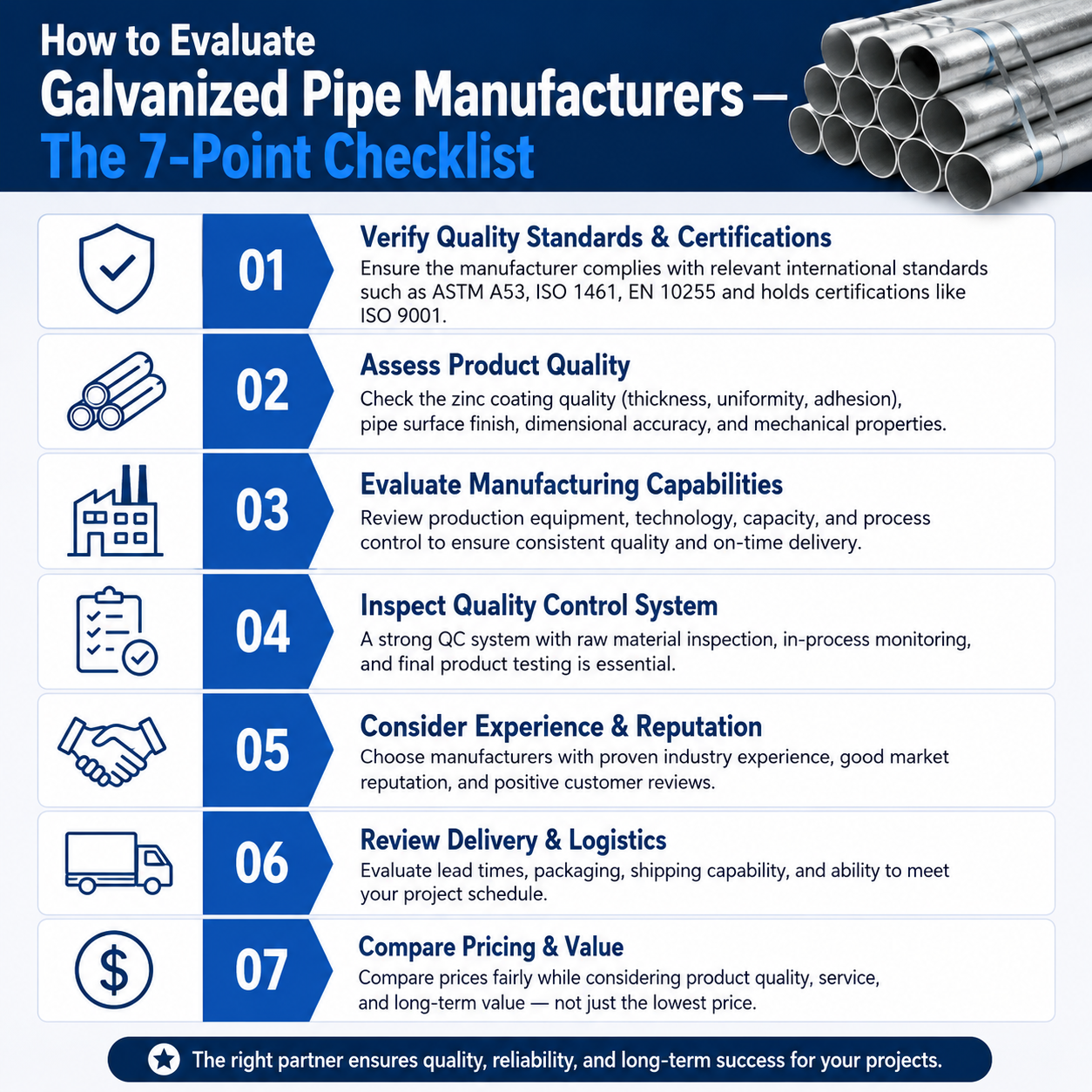
Most procurement problems with galvanized pipe trace back to a single failure: ordering from a supplier without verifying their manufacturing and quality documentation capability before the purchase order is placed. Balingsteel’s framework below gives any buyer a structured method for evaluating galvanized pipe manufacturers against objective, documented criteria.
Balingsteel’s 7-Point Framework for Qualifying Galvanized Pipe Manufacturers
- Demand the Mill Test Certificate (MTC) before accepting delivery. A compliant MTC must include: heat number, chemical composition (C, Mn, P, S, Si), mechanical test results (tensile/yield), and explicit ASTM A53 compliance declaration. Missing heat number = no traceability = reject.
- Verify the ASTM A53/A123 compliance declaration on the MTC — it must state the specific designation, Grade (A or B), and Type (E, S, or F). Any certificate stating only “meets galvanized pipe standard” without citing specific ASTM designations is insufficient for B2B procurement.
- Request the zinc coating weight test results from the manufacturer. On delivery, verify with a calibrated magnetic thickness gauge. Per ASTM A123, pipe with wall ≥ ⅛” must show minimum 75 microns (1.7 oz/ft²). Any reading consistently below this threshold indicates non-conforming product.
- Confirm the seam type on the MTC: ERW (electric resistance weld) carries higher pressure ratings than continuous-weld (CW) furnace-butt pipe. For pressure service, specify Type E or Type S explicitly in your purchase order specification.
- Conduct dimensional inspection on receipt: measure OD, wall thickness, and cut length on a sample. Compare against ASTM A53 tolerances. If the actual bundle weight deviates >5% from theoretical weight per foot, investigate wall thickness compliance immediately.
- Run a surface quality check: look for uncoated bare spots, peeling zinc, heavy spangle, or visible corrosion. Under ASTM A123, the coating must be continuous, adherent, and free from flux deposits. Cut ends not repair-coated per ASTM A780 indicate insufficient quality control.
- Confirm commercial terms — MOQ, lead time, packaging standard (bundled, capped, labeled), and country of origin. For US import pipe, verify Section 232 tariff status and whether the supplier provides mill origin documentation for customs compliance.
Balingsteel Quality Practice
All Balingsteel orders ship with a full Mill Test Certificate including heat number, chemical and mechanical test data, and specific ASTM A53 compliance statement. Our QC team performs magnetic thickness gauge test on every steel coil before dispatch. Customers are invited to order third-party verification at the mill – we deliver full access.
Where can I get galvanized pipe?
Galvanized pipe is available through steel service centers, specialist distributors, and directly from manufacturers. For bulk B2B procurement, the key question is: how do you verify a supplier before committing? Work through the 7-point checklist above before onboarding any new source. Use our steel tube suppliers checklist as a starting framework. Mill-direct pricing from certified galvanized pipe manufacturers typically beats ordering through a trading company intermediary.
Galvanized vs. Black Steel Pipe — When to Choose Each
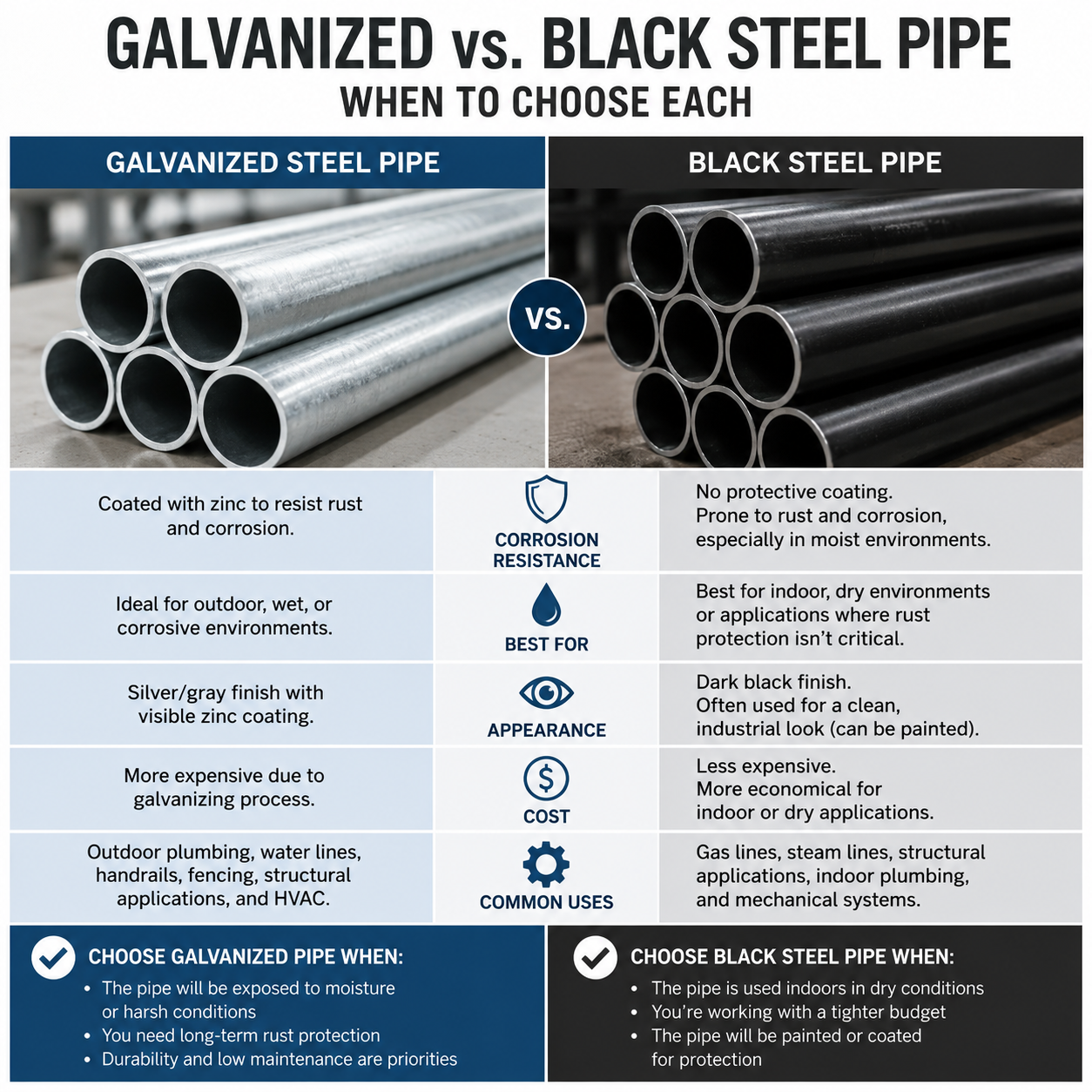
Choosing between black steel pipe and galvanized comes down to corrosion environment, service temperature, fluid type, and budget. For a detailed comparison, see our full galvanized vs black steel pipe guide. Six dimensions matter most for material selection:
| Dimension | Galvanized Pipe | Black Steel Pipe |
|---|---|---|
| Corrosion resistance | High — zinc sacrificial layer prevents rust in outdoor and moist environments | Low — bare steel; requires applied coating or painting for outdoor use |
| Cost premium | 10–25% higher than equivalent black steel (zinc material + process cost) | Lower upfront; higher maintenance cost in corrosive environments |
| Weldability | More complex — zinc must be removed from weld zone before welding; zinc fume risk | Easy — standard welding practice; no coating to remove |
| Max service temperature | ~200°C — zinc begins to degrade above sustained elevated temperature | ~480°C — carbon steel maintains structural integrity at higher temps |
| Threading compatibility | Excellent — NPT thread; standard fittings are compatible | Excellent — same NPT threading; wider fitting availability |
| Typical applications | Water, irrigation, outdoor structural, fencing, conduit | Gas lines, fire suppression, HVAC, steam systems |
⚙ Engineering Note — Galvanic Corrosion with Copper
When galvanized pipe connects directly to copper pipe fittings in a plumbing system, the heterogeneous metals date a galvanic couple where water collects and electrolysis occurs. Zinc – being more aniodic than copper – will electromechanically corrode and fail prematurely at the joint, leading to failure of the system. To prevent this, install dielectric unions between the galvanized and copper, especially in potable water systems where flushing occurs regularly and water acts as an electrolyte.
⚠ OSHA Hazard — Welding Galvanized Pipe
Pre welding or cutting galvanized tube creates zinc oxide fumes which can cause metal fume fever – fever, chills and shortness of breath if breathed as aerosol. In an enclosed environments Zinc oxide inhalation health hazard OSHA’s Short Term Exposure Limit (STEL) stands at 10 milligrams per square meter. Remove the coating using a wire brush or grinder in the weld spot, wear the appropriate PPE and operate a fan or ducting to provide airfl ow. Alternatively, consider using coated pipe options which are weld friendly in aggressive service environments, e.g. 3LPE coated pipe.
Galvanized Steel Pipe Pricing — What to Expect in 2025–2026
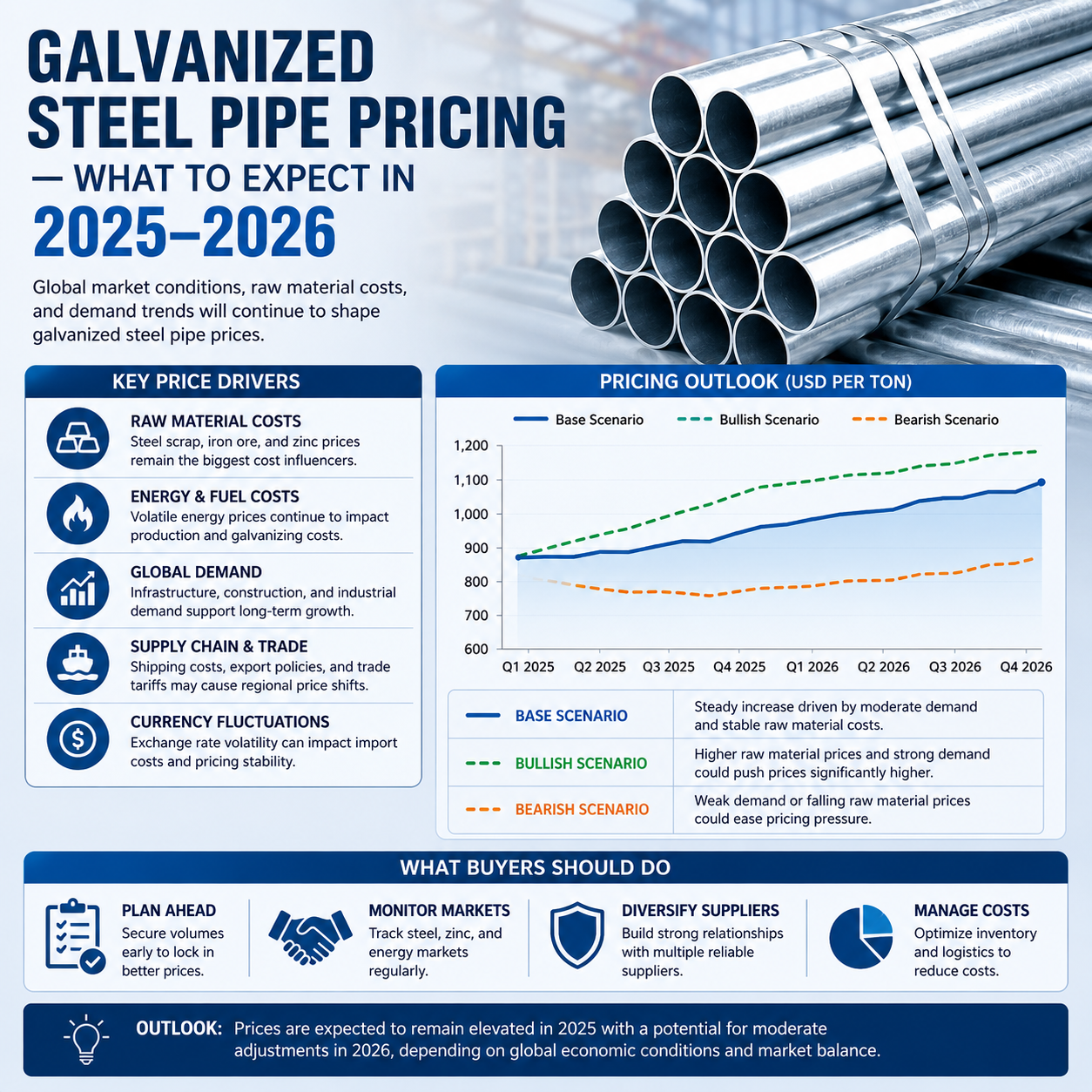
Cost of galvanized pipe is primarily dependent on four factors: zinc LME (London Metal Exchange) spot price, the cost of hot rolled steel coil (cost of raw material), freight and warehousing, trade tariff policy. Knowledge of these trading levers enable the buyer to budget accurately, co-ordinate procurement cycle time and negotiate market intelligent deals.
Key Price Drivers — Galvanized Pipe (2025–2026)
- Zinc LME price – The single largest variable. Zinc spot price swings roll through to galvanized pipe pricing with a lag period generally of 4-8 weeks from mill procurement to quote pricing.
- Hot-rolled coil (HRC) price – The basic cost of steel substrate costs. Movements in HRC prices are reflected in all steel pipe prices (galvanized or otherwise).
- Section 232 tariffs (US) – Since March 12 25%, an over-arching tariff on all imported steel and aluminum product has been active, adding a significant premium to Chinese-import pipe for US pruchasers.
- Freight & logistics – Ocean freight fluctuations since 2020 persist, particularly for Asian origin pipe. Vessel availability along with fuel surcharge charges can add 10-15% to landed cost.
- Mill-direct v. distributor – Purchasing through a trading house is generally an added 12-20% mark-up vs. purchasing directly from a manufacturer. Balingsteel supplies direct from manufacturer, cutting out a middleman margin.
indicative US distribution prices seen in May 2026 (retail/stocking property). Not B2B mill contract pricing. Please be sure to check on current pricing from your supplier before preparing project budgets.
| NPS | Schedule | Indicative US Price ($/ft, May 2026) |
|---|---|---|
| ½” | Sch 40 | ~$5.50–$7.50 |
| 1″ | Sch 40 | ~$10.00–$13.00 |
| 2″ | Sch 40 | ~$9.00–$22.00 |
| 3″ | Sch 40 | ~$30.00–$40.00 |
| 6″ | Sch 40 | ~$60.00–$90.00 |
⚠ Indicative US distribution-level pricing, May 2026. Zinc market-sensitive — confirm before order. B2B mill-direct pricing from certified galvanized pipe manufacturers will differ. All prices in USD/ft.
Scenario C — Zinc market volatility: When LME zinc prices spike (as they did in Q3 2022 and intermittently through 2024–2025), galvanized pipe prices typically follow within 4–8 weeks. Buyers can hedge by forward-buying pipe in Q1/Q2, when zinc prices historically soften, or by securing fixed-price contracts with mills during low-volatility periods. For projects requiring large volumes of galvanized pipe alongside seamless steel pipe, locking in combined mill supply contracts often yields better blended pricing than spot procurement.
Industry Outlook — Galvanized Pipe Manufacturing Trends 2025–2026
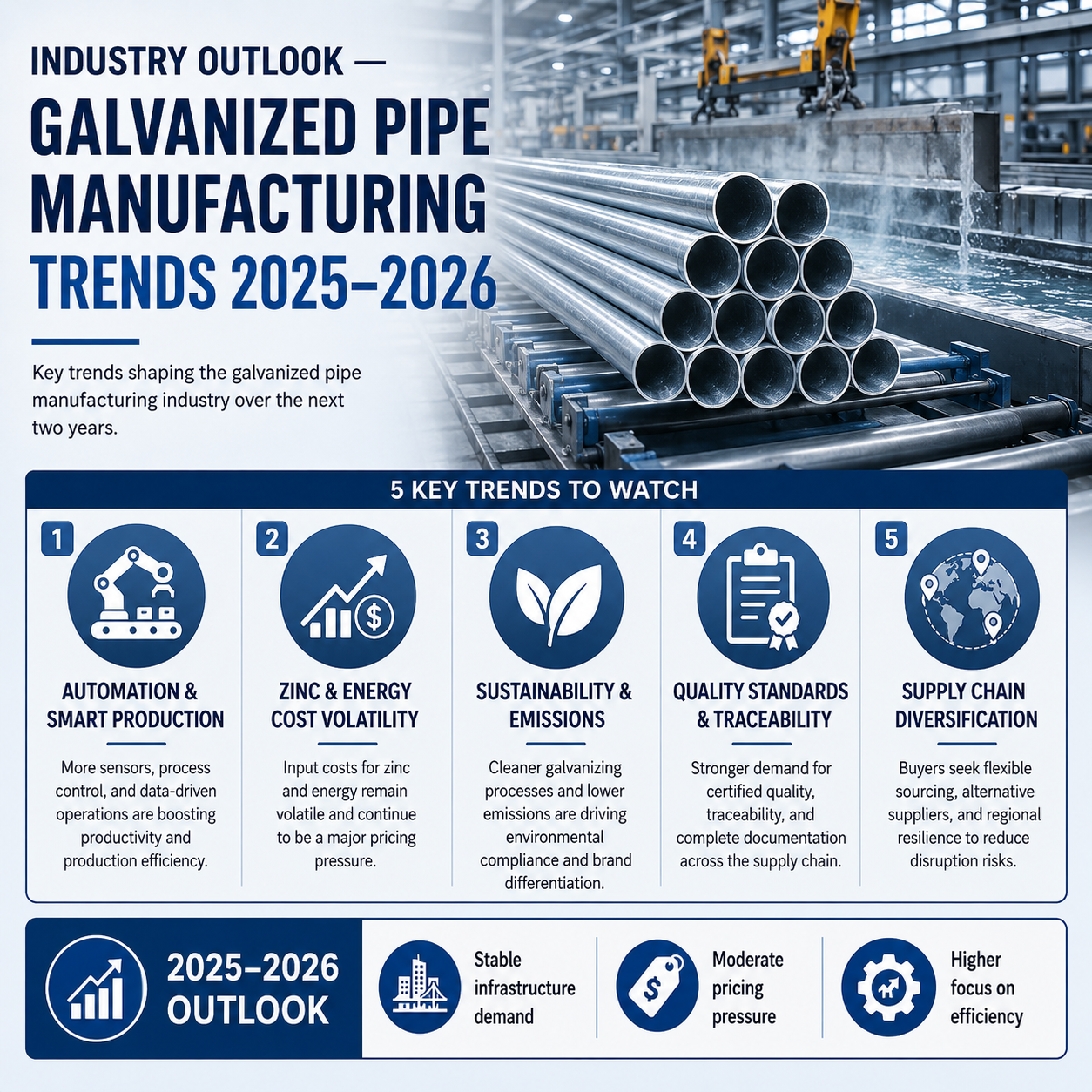
A number of structural factors are redefining the global demand calculus for galvanized pipe manufacturing, and understanding them helps sourcing teams plan their procurements and mitigate supply chain risks.
Market size: The global galvanized iron (GI) pipes market was valued at approximately US$8.3 billion in 2026 and is forecast to reach US$12.3 billion by 2033, a CAGR of 5.8% over the period. Asia-Pacific holds roughly 40% of global demand, driven by rapid urbanization in China, India, and Southeast Asia. North America is showing steady growth, fueled by infrastructure investment and utility system modernization.
Growth outlook: The US Infrastructure Investment and Jobs Act is continuing to create coherent course for water and wastewater investment, where galvanized pipe is used in irrigation, distribution networks, culverts, and infrastructure.”. Year-on-year upgrades to infrastructure also helped replace galvanized pipe used in utility work (with structurally related (for water and electric) steel conduit, etc..).
44.35.
Procurement scheduling suggestion: In light of zinc price seasonality and the current tariff environment, large volume galvanized pipe importing teams are well-advised to deliverBuyin Q1-Q2 when zinc LME prices historically ease and push for fixed-price mill supply agreements that hedge prices throughout the project cycle. Weighting between a certified US or other country import flange port of entry and a local distributor minimizespriceandavailability market risks in a volatile commodity.
Frequently Asked Questions — Galvanized Pipe Products & Suppliers
Can galvanized pipe be used for drinking water lines?
Galvanized pipe was historically the standard for residential potable water supply. It’s been largely replaced by copper and PEX in US new construction. Existing galvanized lines may have lead-based solder at joints (pre-1986) and internal rust scale as the zinc coating depletes. Check local plumbing codes and water authority guidelines before specifying galvanized for potable water applications.
When was galvanized pipe discontinued for residential plumbing?
Galvanized pipe was largely phased out of US residential plumbing during the 1960s–1980s as copper and plastic alternatives became code-accepted. It remains in active use in commercial, industrial, irrigation, and structural applications.
Can you weld galvanized pipe safely?
Yes, with proper precautions. Grind or wire-brush the zinc coating from the weld zone (25–50 mm each side of the weld line) before starting. If welding on coated material is unavoidable, use respiratory PPE rated for metal fumes, ensure active ventilation or fume extraction, and stay within OSHA’s zinc oxide STEL of 10 mg/m³. Repair the weld area with zinc-rich compound per ASTM A780 after welding.
Who is the world’s largest galvanized pipe manufacturer?
China dominates global galvanized pipe production by volume. Youfa Group (Hebei province) is widely recognized as China’s largest welded steel pipe producer, with galvanized pipe forming a core part of its product range. Other major producers are concentrated in Hebei and Zhejiang provinces. In the United States, Wheatland Tube (Zekelman Industries) and Allied Tube & Conduit are among the largest domestic galvanized pipe manufacturers.
Is galvanized steel pipe still manufactured in the USA?
Yes. Domestic US manufacturers like Wheatland Tube and Allied Tube & Conduit continue to produce galvanized steel pipe complying with ASTM A53 and related standards. Domestic supply enables faster deliveries, no Section 232 tariffs and domestically-mandated Buy America standards to be met for federally-install infrastructure projects. Cost concerns based on tariff-free import alternative may be met with a choice domestic product or import sample from a country that is not subject to tariffs.
What is the difference between ASTM A53 Type E and Type S galvanized pipe?
ASTM A53 Type E designates electric resistance welded (ERW) pipe — formed from flat steel strip, seam welded using electrical resistance heat. Type S designates seamless pipe — extruded without a weld seam, giving uniform wall thickness and typically higher pressure ratings. Both types come in Grade A (general use, lower strength) and Grade B (60,000 PSI tensile strength, higher-pressure service). For structural framing and standard fluid conveyance, Type E Grade B is most common. For critical pressure applications, specify Type S.
About This Guide
This buyers guide is created by the Balingsteel team, a carbon steel pipe, structural tube, and galvanized pipe manufacturer sourcing B2B buyers worldwide. Throughout, ASTM spec information links back to the American Galvanizers Association (galvanizeit.org), and official published ASTM standards. Indicative prices are reports of U.S. distributor-level market observations as of May 2026; Balingsteel does not represent itself as an official source of pricing data – please contact the Balingsteel team directly to request mill-direct pricing on your specific size, schedule, and volume needs.
Market forecast data is obtained from 3 rd-party market research publications, and is intended to just provide basic market directional.