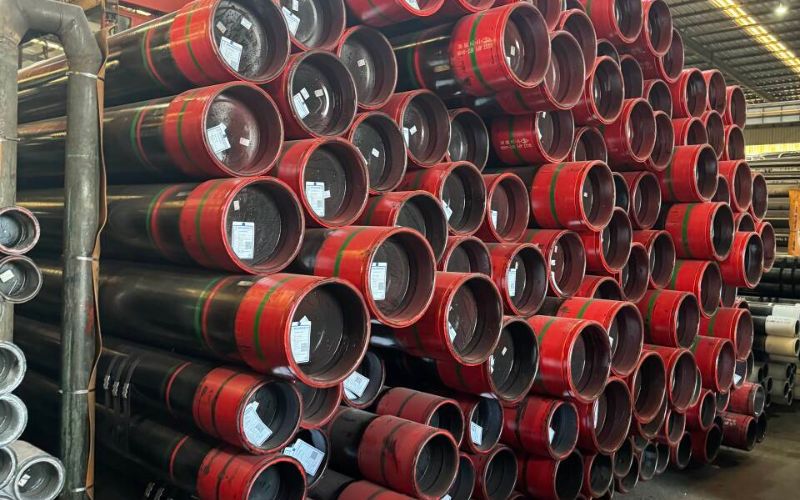
Black pipe fittings serve as essential parts for multiple industrial sectors because they possess strength and flexible usage and can withstand both extreme pressure and elevated temperatures. Professional plumbers and DIY enthusiasts and workers in industrial construction all need to learn about black pipe fittings because this knowledge will help them complete their projects with better safety standards and operational efficiency and better project outcomes. This guide provides comprehensive information about black pipe fittings which includes details about their different size options and available fitting types and their usage across various applications. The article will help you understand which fittings suit your requirements while explaining how those fittings function in various real-world situations. Let’s explore the essentials of this indispensable hardware!
Introduction to Black Pipe Fittings
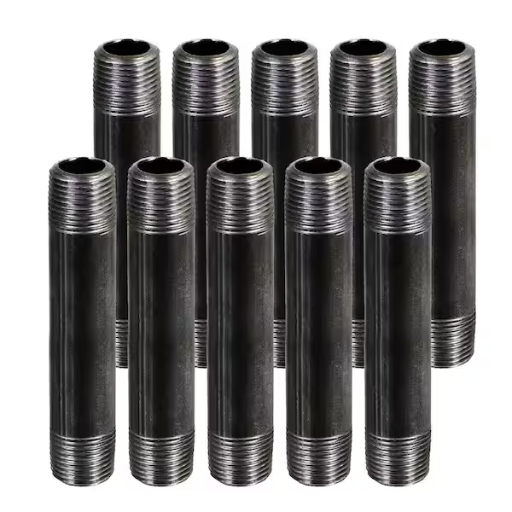
Black pipe fittings function as fundamental parts which enable the connection and secure attachment of black pipes in different systems that mainly serve gas and water transportation purposes. The materials used in their construction possess exceptional strength which enables them to endure extreme heat and high-pressure conditions, making them suitable for use in industrial, residential, and commercial settings. The black pipe fittings offer multiple types which include elbows and tees and couplings and caps, which provide users with multiple options to create different pipe layouts. The strong design of these products together with their capacity to stop leaks makes them suitable for projects that need dependable and permanent piping connections.
What are Black Pipe Fittings?
Black pipe fittings serve as necessary parts that establish connections between different piping components while controlling liquid and gas movements within piping networks. These fittings, which industrial and commercial users select for their applications, possess strength and high-temperature resistance together with their capability to endure challenging conditions because they are made from uncoated steel or iron. Black pipe fittings differ from galvanized pipe fittings because they lack a zinc coating which gives them their dark color and enables their use in specialized applications like gas pipelines and fire sprinkler systems where chemical resistance does not matter. The system provides multiple pipe components which include elbows and tees and caps and unions to give users different options for building and changing their piping systems. The manufacturing process has developed better availability through both physical stores and online marketplaces which allows customers to access these products as dependable yet affordable solutions that provide strong permanent connections for their projects.
History and Development of Black Iron Pipe
The development of black iron pipe occurred because engineers needed a reliable method to transport water and gas through industrial sites and residential buildings. Engineers started developing black iron piping systems during the 19th century because cities and industrial areas required longer-lasting piping solutions. The first iron piping systems were made through manual forging methods which resulted in brittle pipes that suffered from corrosion. The iron and steel industry made technological progress which enabled manufacturers to create more resilient black iron pipes through advanced casting techniques and improved finishing processes.
Black iron pipe achieved widespread usage for home gas distribution and water delivery systems by the middle of the 20th century. The material gained popularity because it combined strong construction with heat resistance and secure connections through threaded fittings. Black iron pipe became the primary choice for plumbing and industrial applications because it delivered both cost savings and durability when compared with competing materials from that era.
Modern black iron pipes achieve better performance through advanced manufacturing methods and higher quality control requirements. The material has entered new applications because it can be used in fire sprinkler systems and structural engineering projects which require strong, rigid composition. Black iron pipe remains a reliable material choice for projects which demand both durability and resistance to heat and solid construction. The development of this material has progressed through major breakthroughs in materials science which provide solutions to needs from developing industrial sectors and expanding urban centers.
Importance in Plumbing and Gas Applications
Black fittings ensure the process of gas leakage by creating high noise of the medium prompt back home. They also have to withstand extreme stress, including very high pressures and the even transport of most vending gases, such as steam. They are manufactured from carbon steel; however, proper materials and design allow these fittings to withstand even corrosive water. A way to give the broadest possible view of future risks would be to pixel about possible vulnerabilities and how black pipe fittings should be used.
The most important benefit of black pipe fittings is that they themselves provide more substantial shield from physical damages than any other standard variety of fittings, as per the recent reports from the industry. Black iron pipe and its fittings can endure pressure ratings ranging from 150 to 300 PSI based on diameter and threading specifications, thereby better fitting into several heavy-duty tasks. They face no distortion nor breakdown of any particular sort under drastic temperatures-these are absolutely critical in locations where safety and consistency count for everything.
One of their major uses is industrial and residential gas distribution systems. Since pipe fittings made up of black iron do not corrode while in contact with gas, it will ensure that a pure gas supply with no other contaminants is provided all through the time. The most recent studies suggest that for high-demand situations, they are more cost-effective over time owing to the durability and reduced maintenance costs relative to new materials such as PVC or PEX.
The combination of strength and durability and cost efficiency makes black pipe fittings essential for projects that require both performance and safety, which establishes their value in contemporary plumbing and gas systems.
Benefits of Using Black Pipe Fittings
Durability and Strength
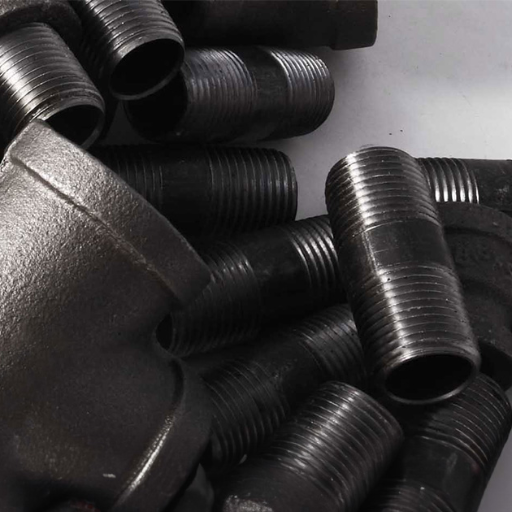
The exceptional durability and strength of black pipe fittings make them the optimal choice for use in challenging work environments. Steel serves as the material for these fittings because it delivers outstanding protection against high pressure and high-temperature conditions and mechanical loads. Black pipe fittings function better than PVC and PEX materials because they can withstand the demands of industrial gas pipelines and high-pressure water systems.
When maintained properly black pipe fittings demonstrate exceptional durability because they can endure decades of use without major deterioration. The long-lasting nature of these products decreases replacement expenses throughout their lifespan which makes them more economical. The strong design of these products reduces their risk of breaking during severe situations which enables them to deliver dependable performance in essential installations. Black pipe fittings serve as essential components for projects that demand strong performance according to their inherent qualities.
Cost-Effectiveness and Availability
Black pipe fittings serve multiple applications because they provide both cost efficiency and market availability. Their affordable pricing results from their durable design which allows extended use without needing replacement. The system delivers extended savings through its durable system which maintains operational efficiency. Black pipe fittings maintain high availability throughout most markets which allows customers to access them for projects of any size. The combination of their reliable performance and budget-friendly prices and easy-to-find locations makes them useful for both professional workers and home improvement enthusiasts.
Resistance to Corrosion and High Temperatures
In terms of water leakage on projects, black pipe fittings can definitely withstand more moisture and severe weather since they provide higher resistance to the damage from corrosion. This damage-reducing layer not only helps to prevent rust and biodegradation; it guarantees a longer life, reduces the need for complications of maintenance, and averts costly replacements. Black fittings provide some resistance to corrosion important to their use in residential and industrial quests.
The capacity of black pipe fittings to tolerate high temperatures represents another major advantage for these products. The fittings demonstrate dependable performance in high-heat environments which makes them suitable for applications that involve working with steam and gas and hot water. The materials maintain their operational effectiveness at extremely high temperatures which enables safe usage in testing conditions while supporting system performance.
Black pipe fittings combine corrosion resistance with high-temperature tolerance which enables their use in multiple industrial applications. These fittings deliver dependable performance at an economical price point which fulfills the requirements of both professional plumbers and home improvement enthusiasts. The structural integrity of black pipe fittings enables them to sustain operational performance while ensuring system reliability throughout their service life.
Common Types of Black Pipe Fittings
Elbows and Tees
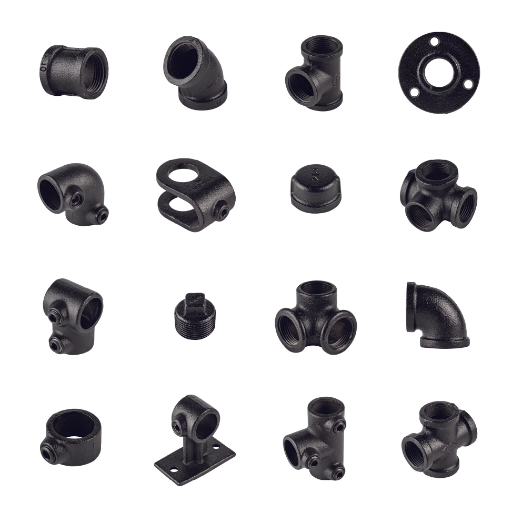
Elbows and tees serve as the two most popular black pipe fittings because these fittings provide multiple ways to control material movement within piping systems. Elbows come in different angle options because they offer 45-degree and 90-degree configurations which help engineers and installers create specific pipe network directional changes. The fittings enable people to create pathways through narrow areas while they need to avoid existing structures.
The design of tees enables users to build branch lines. The T-shaped design contains three openings which allow main flow to separate into two different directions. This makes tees ideal for systems requiring multiple distribution points or connections. Both elbows and tees contain strong materials which enable them to endure high-pressure and high-temperature conditions thus providing long-lasting performance for plumbing systems and heating systems and industrial systems. The system serves as a vital component that allows operators to manage complex systems while different piping elements function without interruption.
Couplings and Caps
Black pipe fittings serve specific purposes in piping systems through their essential function as couplings and caps.
Couplings function as pipe connectors which create secure leak-proof connections between two pipes. They can join pipes of the same or different diameters, depending on the application’s needs. The installation process for couplings remains easy while they serve essential functions which enable pipe extension and pipe section restoration.
Caps function as pipe end closures which block all liquid and gas movement through pipes. The pipe fittings serve two purposes as they first seal unused pipe ends and second complete entire pipeline systems. Caps serve two purposes because they block everything from entering the pipe while they create a secure barrier which prevents all flow from moving through the pipe.
Both couplings and caps serve essential functions which enable piping systems to operate efficiently while providing multiple configuration possibilities.
Black Cross and Reducers
The Black Cross fittings display their function through their capability to connect four pipes which connect at right angles. The fittings function as optimal solutions which enable the creation of branch lines for distributing flow through multiple directions. The materials used in their construction create products which maintain durability under conditions that occur in water distribution systems and gas supply networks and industrial operations.
Reducers permit the connection of pipes which have different diameter sizes through their design which enables smooth flow transitions between the two pipe dimensions. The system depends on these components for its operational efficiency because they reduce both turbulence and pressure loss during pipe size transitions.
Sizes and Standards of Black Pipe Fittings
Standard Sizes Available
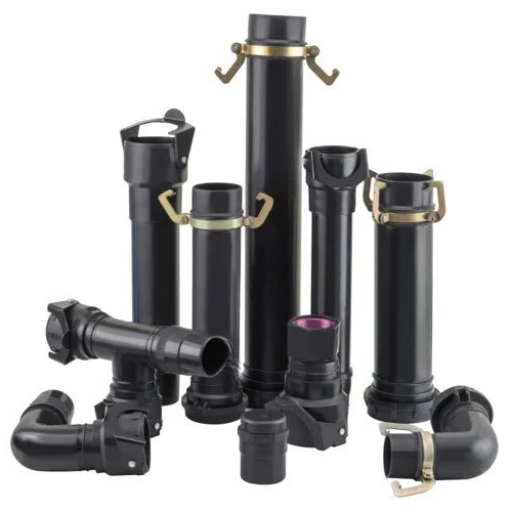
Black pipe fittings come in multiple standard sizes which suit different industrial applications. The most commonly used pipe sizes are:
- ►
1/2 inch - ►
3/4 inch - ►
1 inch - ►
1 1/4 inch - ►
1 1/2 inch - ►
2 inches
The sizes represent nominal pipe size (NPS) which plumbing systems and heating systems and industrial systems commonly adopt. The piping system needs compatibility verification while users must consult ASTM and ASME standards to obtain exact specifications.
Understanding Class 150 and Other Ratings
The pressure-temperature rating Class 150 establishes the maximum pressure which black pipe fittings can withstand at their designated temperature. Class 150 fittings have a maximum operating pressure of 150 psi which they can handle during standard operating conditions that frequently occur at room temperature. The pressure capacity declines with rising temperatures which necessitates checking manufacturer instructions and industry standards including ASTM and ASME standards to confirm that equipment operates correctly in specific applications.
Systems which require higher pressure ratings should select ratings above Class 300 or Class 600 because these ratings provide greater pressure handling capacity. The selection of a rating requires assessment of three factors operating pressure and temperature and fluid transport system specifications. The safety and reliability and efficiency of industrial and plumbing systems depend on understanding these classifications. Verify system compatibility and review applicable technical specifications before making your selection.
Choosing the Right Size for Your Project
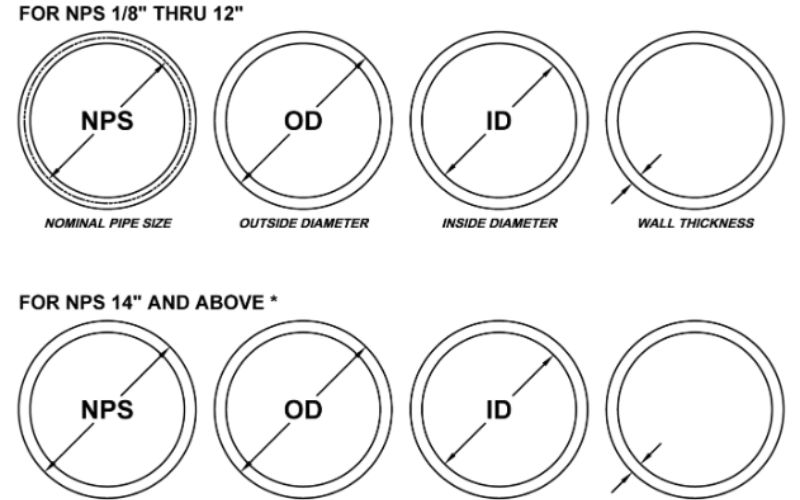
The proper functioning of your system needs proper selection of black pipe fitting sizes. The size of fittings requires alignment with pipe diameter because fittings exist as connecting parts between two pipes. The dimensions of your fitting should be determined through measurements of your pipe’s nominal pipe size and its outside diameter. The system will only function properly when the fitting size matches the pipe size.
The application type should determine which size to select. Industrial applications which require high material flow and large volume processing needs larger fittings than residential systems which need smaller dimensions. The fitting must meet the pressure and temperature specifications required for your project. Incorrectly sized or rated fittings will create leaks which decrease system performance and cause system breakdowns.
The reference charts and guidelines should be consulted to obtain information about pipe and fitting compatibility. You need to use these resources to select a size that matches your requirements for flow capacity and pressure needs. Proper equipment sizing extends system life while enhancing total system efficiency. You can select black pipe fittings for your project by following these steps which will help you find safe and efficient solutions.
Applications of Black Pipe Fittings
Use in Plumbing Systems
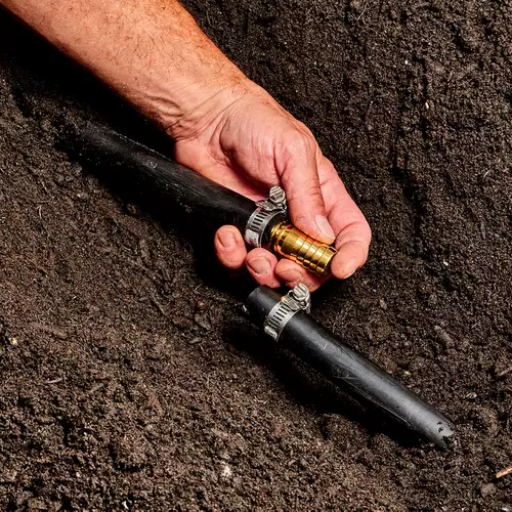
Black pipe fittings stand as the standard when it comes to pipes used in plumbing systems that need to move water, gas, and other type of liquids. The materials used within the pipe fitting make them enduring enough to resist-required levels of pressure. Hence, they are best adopted for some outdoor applications (apart from plumbing). As per the latest statistics, black pipe fittings as often been used in buildings’ heating and cooling systems, for instance in hydronic heating or HVAC setups, as it is resistive against canonical corrosion while using non-potable water. The safe gas connection holds many commercial, industrial, and residential applications against any kind of leak.
Important Note: This combination allows deterioration of the protective coatings exposed to the corrosive effects of the water and alters iron and iron alloy pipe fittings. Consequently, such fittings should not be utilized for drinking water transport purposes. Since the patchy layer offline than those areas threading tape or seal begins to cover were first being thin, the damage caused by corrosion took place before tape or seal began to close. Once it started deciding to corrode, patchy thin sections only allowed corrosive harm to surface while other parts were left virgin and inconspicuously protective. The best plumbing techniques involving the use of pipe fittings are the seal white gloves to prevent leaks and match the accessories to the pipes that are compatible to each other for optimum efficiency and safety.
Gas Line Installation
Black pipe fittings show widespread application in gas line installations because their strength enables them to endure high pressure conditions. The pipes have design specifications which make them suitable for transporting natural gas and propane, which results in their common use across residential, commercial, and industrial applications. Black pipe fittings deliver secure connections that prevent leaks, which serves as an essential requirement for maintaining safe operations of gas systems. The installation process for gas lines requires the use of suitable sealing materials together with adherence to local building codes to achieve correct system operation and maintain safety standards.
Industrial and Decorative Projects
The industrial sector widely utilizes black pipe fittings because they provide both durability and capacity to endure extreme pressure conditions. The fittings serve as crucial components for systems that need to transport water and oil and steam and compressed air which power plants and manufacturing facilities and construction sites require. The materials maintain their optimal function because their strength and reliability enable continuous operation under extreme environmental conditions.
Designers also prefer using black pipe fittings because they can serve multiple purposes in decorative endeavors. Teaming rustic with industrial, its unique personality brings these iron pieces into prominence through furniture, room dividers, shelving units, and lighting fixtures. Designers and DIY enthusiasts alike appreciate black pipe fittings for creating modern pieces of decor in the home, while the option for long-lasting and sturdy materials is an asset across most interior design schemes. Due to customized construction work, the design desired by one and all, durability of black pipe metal fittings placed third among factors, while good looks came as a second to both.
Black pipe fittings show great flexibility because they can be used in both industrial settings and decorative applications. The product functions as both a practical industrial tool and a decorative design element which demonstrates its various applications. The industry applications and creative projects that use black pipe fittings show their continued popularity.
Reference Sources
-
Focus on Pipes & Fittings: Discusses various applications of pipes and fittings, including chemical transfer, air and gas lines, and fuel-oil lines.
-
Piping: Provides comprehensive information on types of pipes, fittings, and associated sizes, along with codes for pipe connections.
-
Pressure Losses in Tubing, Pipe, and Fittings: Explores the dimensions and pressure losses in various types of pipe fittings, offering insights into their design and functionality.
-
Fittings Production in 2010: Discusses advancements in fittings production and their applications in large-scale projects, such as pipelines under the Black Sea.
- Black Steel Pipe Supplier In China
Frequently Asked Questions (FAQs)
This comprehensive guide provides essential information about black pipe fittings, covering their types, sizes, standards, and applications. Understanding these critical aspects will help you make informed decisions for your plumbing, gas line, or industrial projects while ensuring safety, efficiency, and long-term reliability.