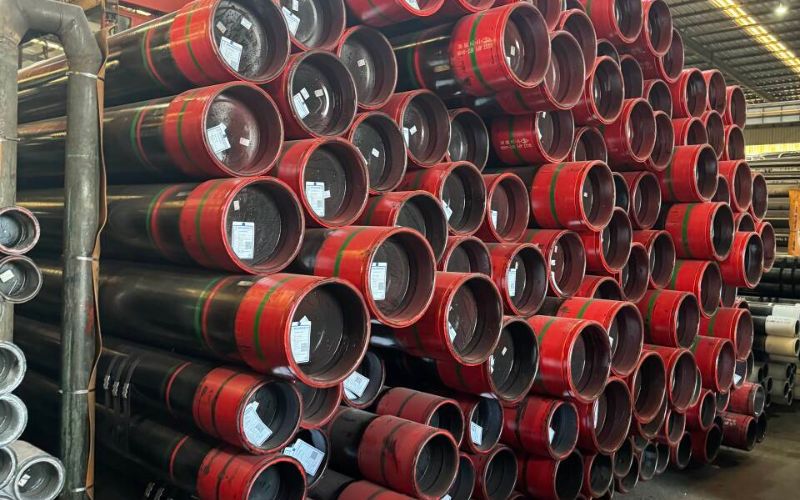
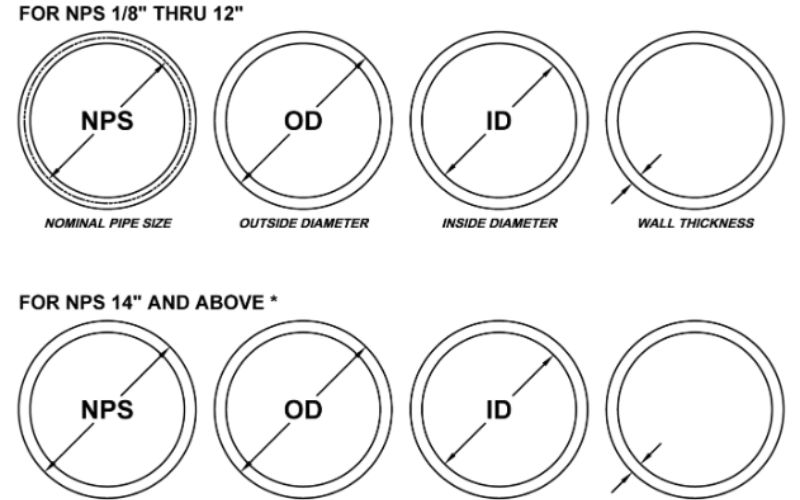
Steel pipes demonstrate unmatched performance for industrial projects and structural applications because they provide both flexible usage and long-lasting strength. The blog post investigates an important specification used in steel piping which consists of 8″ outer diameter (OD) x 7.981″ inner diameter (ID) Sch 40 pipes. The specific steel pipe dimension and its properties and use cases should be understood by you because it will help you design your plumbing and construction and mechanical systems projects. We will analyze its technical specifications and advantages and the various industries which use it for their key operations. You should continue reading this article because it provides the information you need to evaluate steel piping systems.
Description of 8-Inch Steel Pipes
Overview of Steel Pipes
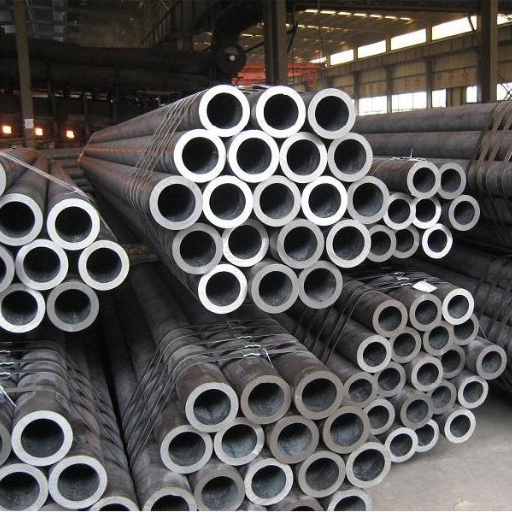
Steel pipes serve vital functions across multiple industries because of their ability to endure various conditions and their flexible applications and their high strength. The term 8-inch steel pipe describes the nominal pipe diameter which engineers use in design projects that require dependable materials to move liquids and gases and solid materials. The pipes consist of carbon steel and stainless steel which provide protection against corrosion and withstand high temperatures and pressure conditions that occur in extreme environments.
The specifications of 8-inch steel pipes include their nominal diameter and wall thickness and pressure rating. The application of a material depends on these factors. The design of high-pressure systems requires thicker wall components while industrial projects need a specific outer diameter to achieve necessary compatibility. The steel industry uses schedule numbers to classify pipes according to their wall thickness which is measured against their nominal size. Engineers need to understand these parameters because they help determine which pipes will suit their mechanical and structural project needs.
Industries such as construction and oil and gas and water distribution and power generation require 8-inch steel pipes for their operations. The pipes function as essential components for constructing pipelines and building structural frameworks and developing mechanical systems. The ability of these materials to endure tough environments while providing reliable performance makes them the top choice for different industries. The proper selection and maintenance of steel pipes serve as a vital requirement for achieving safe operations which maintain operational efficiency and extend the lifespan of their applications.
Understanding Pipe Schedule and Wall Thickness
The strength and flow capacity of a pipe depend on two measurements which include pipe schedule and wall thickness. The pipe schedule establishes a standardized wall thickness which applies to a pipe with particular nominal diameter. Pipe wall thickness increases with higher numbers which include Schedule 10 and Schedule 40 and Schedule 80. A higher pipe schedule means the pipe walls are thicker which enables the pipe to withstand greater pressure without losing its strength.
The wall thickness of a pipe defines the actual physical measurement which represents the distance between its inner and outer surfaces. The material between the two surfaces of a pipe determines its ability to withstand internal and external pressures while facing temperature changes and external forces. The correct wall thickness must be chosen for each application because pipes with insufficient thickness will fail at high pressure and stress conditions.
The right pipe schedule and wall thickness selection requires the evaluation of multiple factors. The three parameters which need assessment are operating pressure and temperature and transported material type together with regulatory and safety standards. Industries use standardized charts and codes which the American Society of Mechanical Engineers (ASME) provides to determine the suitable pipe schedule for their system requirements. The proper selection process helps achieve maximum system effectiveness while decreasing failure hazards and prolonging the operational life of the piping system.
Common Uses and Applications
Construction Industry Applications
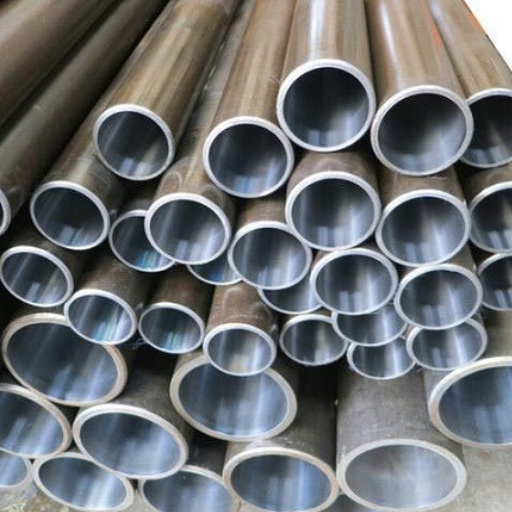
The construction industry depends on steel pipes because these pipes provide essential properties of durability and versatility and strong performance capabilities. The material serves structural purposes by providing essential components for building frameworks and columns and supports used in construction projects of every size. Their ability to bear immense loads makes them an essential material for modern infrastructure projects.
Construction workers use steel pipes to move water and gas and other liquids throughout their work sites. The material offers strength and corrosion resistance which creates a plumbing solution that remains operational for long periods while delivering dependable performance. Additionally, steel pipes are often used in fire sprinkler systems due to their ability to withstand high pressures and extreme temperatures.
Steel pipes also contribute to large-scale industrial applications which include bridges and industrial facilities. Their flexibility allows them to be molded into various shapes and sizes, which match the unique requirements of every particular project. Steel pipes serve as an essential building material for construction projects that take place around the globe because they provide safety features and long-lasting durability and flexible design options.
Oil and Gas Applications
The strength and durability of steel pipes make them essential for use in oil and gas operations because their flexible applications permit multiple uses. Operators use the pipes to move oil and natural gas and other raw materials over extended distances while the pipes maintain their structural integrity under severe pressure and diverse environmental conditions. Steel pipes protect against both corrosion and erosion which enables the oil and gas sector to operate safely while achieving maximum efficiency.
Steel pipes serve crucial functions beyond their transportation capacity because they serve as essential components for building drilling rigs and pipelines and processing facilities. The structure provides necessary support required to face operational requirements which are common in both offshore and onshore work environments. Their ability to adapt to various diameters and thicknesses ensures that they meet the unique requirements of different oil and gas projects.
Steel functions as a vital resource because its dual properties of strength and adaptability enable various industries to fulfill their worldwide demand for oil and gas. Steel piping systems ensure safety together with operational excellence which results in dependable energy systems across the globe. The materials possess long-lasting characteristics which make them the ideal option for an industry that needs both durability and operational efficiency.
Water Management Solutions
Steel pipes serve as vital components in contemporary water management systems because of their robust construction materials which provide protection against corrosion. The pipes can transport water through extended distances because of their ability to withstand extreme conditions which occur in water distribution systems. Steel maintains its structural integrity under high pressure conditions which makes it suitable for use in essential infrastructure projects.
Using steel pipes for water management systems provides a major benefit because these pipes can last for many years, even when exposed to extreme conditions. The system provides strong protection against leaks and damages which results in lower maintenance expenses and decreased water consumption. Steel pipes offer multiple design possibilities which enable their use in urban water distribution systems, irrigation systems, and wastewater treatment systems.
Steel piping also supports sustainability in water management. Steel functions as an eco-friendly material because it can be recycled which supports worldwide initiatives to decrease waste and implement sustainable methods. Water management systems that choose steel pipes achieve effective system operation while maintaining cost efficiency and environmental protection. The combination of these elements establishes steel as a crucial asset for meeting the increasing need of effective and trustworthy water infrastructure systems.
Manufacturing Process of 8″ Steel Pipes
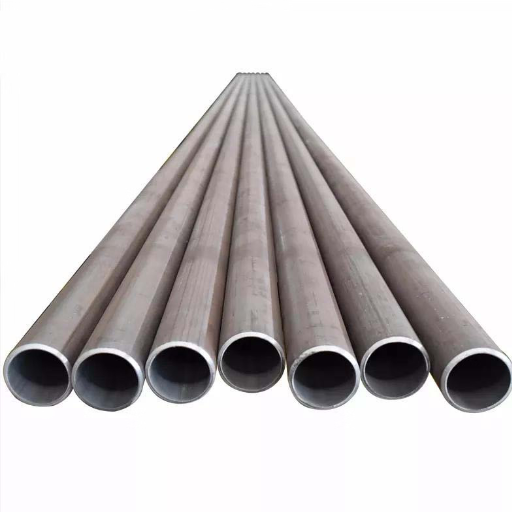
Seamless vs. Welded Manufacturing Techniques
Steel pipe production requires two primary methods which engineers use to create seamless and welded pipes. The production of seamless pipes starts with a solid steel billet which workers heat until it becomes a hollow tube because they stretch the material without creating seams or joints. The manufacturing process enables seamless pipes to achieve extreme durability which allows them to handle high-pressure conditions and extreme temperatures found in oil and gas transportation systems and power generation facilities and chemical processing plants.
The manufacturing process for welded pipes begins when workers shape a flat steel plate into a cylindrical pipe through rolling operations which they complete by welding the edges together. The technique proves to be a more economical solution which meets requirements for applications that need standard pressure resistance. The production of welded pipes allows manufacturers to create various pipe sizes which makes these pipes suitable for use in water distribution systems and structural applications and common industrial operations.
The selection of seamless or welded pipes requires evaluation of three factors which include operational pressure needs and working conditions and available funding. Engineers select seamless pipes for their high-pressure needs in critical infrastructure projects while they use welded pipes for systems which operate at low to medium pressure and for applications which do not need critical infrastructure. The two methods provide essential support for various industrial applications and infrastructure development requirements.
Material Selection: Carbon Steel vs. Other Alloys
The selection process between carbon steel and other alloys depends on three factors, which are the particular application, the operating conditions, and the performance requirements. The affordable pricing, strong structural properties, and broad range of applications make carbon steel the most commonly used material. The material proves highly suitable for structural applications and pipeline construction and pressure vessel manufacturing because it delivers high tensile strength and durability while showing minimal corrosion problems. The material consists mainly of iron and carbon, which makes it an economical material that manufacturers can easily use in different production methods.
The process of selecting suitable materials for specific applications leads to the selection of stainless steel and aluminum alloys and nickel-based alloys because these materials provide increased protection against corrosion and maintain their structural integrity at elevated temperatures and deliver superior performance characteristics. The materials become essential for stainless steel because this metal maintains its corrosion resistance in areas that experience moisture or chemical exposure due to its chromium content. The aerospace and chemical industries use nickel and titanium alloys because these materials deliver high durability which lasts through extreme temperature fluctuations and severe environmental conditions.
The material selection process needs thorough examination of key elements, which include mechanical strength and corrosion resistance and temperature limits and cost efficiency. Carbon steel serves as a primary material choice for general applications and budget-restricted projects, while other alloys provide essential support for operational settings that demand high performance standards. The correct choice of material establishes maximum operational efficiency and extended equipment lifespan while maintaining safe usage throughout its designated operational timeframe.
Quality Control and ASTM Compliance
Quality control is essential for the production of steel pipes because it ensures that the pipes will meet all required performance and safety standards. The company executes quality assurance processes through inspection work which begins with raw material selection and continues until the final product is completed. The tests include dimensional analysis and mechanical testing and non-destructive inspections which together establish the pipes structural integrity and reliability for their designated applications.
ASTM compliance requires organizations to follow the rules established by the American Society for Testing and Materials, which creates testing standards and material specifications for steel pipe production. The standards establish requirements for materials which include tensile strength, hardness, chemical composition, and dimensional tolerances. The ASTM standards guarantee that steel pipes will maintain consistent performance throughout their operational life while proving suitable for multiple industrial sectors such as construction, energy, and transportation.
Manufacturers who comply with ASTM standards while implementing effective quality control procedures produce steel pipes which deliver both economic value and superior performance. The combination ensures that end users receive a product which will fulfill their operational needs while providing safe and dependable performance throughout its entire lifespan. The organization achieves lower risk levels and decreased operational interruptions through strict compliance and quality measures, which also lead to enhanced long-term operational efficiency.
Types and Grades of 8-Inch Steel Pipes
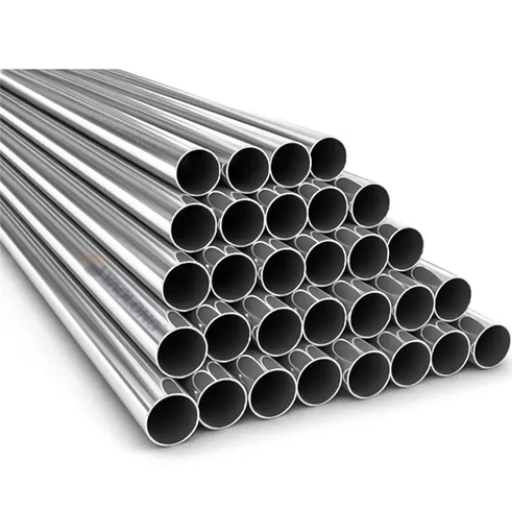
Overview of Different Grades
Various grades exist for 8-inch steel pipes which provide specific performance characteristics and durability standards and application requirements. The grades of these materials are determined through their composition and tensile strength and their designated usage which enables them to function in multiple sectors from construction to energy and transportation. The three main steel grades people use in different environments are carbon steel and stainless steel and alloy steel which provide specific characteristics.
Carbon steel grades provide both cost-effective solutions and strong materials which makes them suitable for use in structural projects and industrial operations. The material exists in three main carbon types which include low carbon and medium carbon and high carbon. The pipes find extensive usage in oil and gas pipelines and various mechanical parts and construction of heavy infrastructure systems.
Stainless steel grades focus on providing protection against corrosion while extending the lifespan of products. The materials demonstrate reliable performance in water treatment facilities and chemical processing plants when they encounter wet conditions and chemical exposure and extreme temperature changes. The incorporation of molybdenum or nickel elements into alloy steel grades produces materials with improved toughness and strength and heat resistance which function well under conditions of high pressure and high temperature. The different grades provide specific characteristics which help industries select proper materials for their operations to achieve safe and efficient results.
Comparison of Carbon Steel and Stainless Steel
The primary differences between carbon steel and stainless steel stem from their different material compositions, physical characteristics, and industrial use cases. The composition of carbon steel consists mainly of iron and carbon, while different grades introduce various additional components. The composition of stainless steel includes at least 10.5% chromium which provides the metal with its ability to resist corrosion. The basic material difference between both metals enables stainless steel to protect against rust and corrosion in outdoor environments which require these protective qualities.
The strength of each steel type used in various applications demonstrates different performance characteristics. The industry selects carbon steel because it provides high tensile strength at a low cost, which makes it suitable for building construction and bridge design work. The material exhibits greater strength and machining efficiency through its welding process. Carbon steel needs protective coatings or moisture protection treatments because it does not have any inherent defense against corrosion that stainless steel possesses.
Stainless steel contains chromium which creates an oxide shield that stops rust formation. The material company supplies nickel and molybdenum together with other elements so that customers can achieve advanced protection against extreme temperatures and chemical hazards. Industries such as food processing and medical equipment production and architectural design utilize stainless steel because it meets their requirements for cleanliness and visual appeal and durability. The selection between carbon steel and stainless steel depends on which material best meets the specific requirements of material strength and required upkeep and expected environmental conditions.
Advantages of Various Pipe Types
Pipes come in various materials, each suited to specific applications due to their unique properties. Understanding the advantages of different pipe types can help ensure they meet the needs of the intended use.
Steel Pipes:
The steel pipes exist in both carbon steel and stainless steel materials which provide outstanding strength and durability. Carbon steel pipes function as reliable materials for construction work which needs high tensile strength to support the transportation of gas and liquids at elevated pressures. Stainless steel pipes provide superior corrosion protection which makes them suitable for use in environments that experience high moisture levels and chemical exposure and extreme temperature conditions. The design of stainless steel pipes requires minimal upkeep while their appearance remains attractive to viewers.
PVC Pipes:
PVC pipes have three main advantages because they are lightweight and inexpensive and they can withstand chemical attacks and corrosion damage. The plumbing and irrigation systems and waste disposal systems use these pipes because their smooth inner surface does not create friction which leads to blockages. The installation process for PVC pipes is simple because they need little maintenance which makes them an economical choice for both home and business use.
Copper Pipes:
The plumbing systems depend on copper pipes because of their ability to last a long time without breaking down. The materials can resist corrosion while maintaining their strength through both extreme heat and extreme cold. The recyclable nature of copper pipes, which produce less environmental damage than certain synthetic materials, makes them an environmentally friendly option. The higher expenses of the product become worthwhile because its long-lasting nature and effective performance.
Choosing the Right 8-Inch Steel Pipe
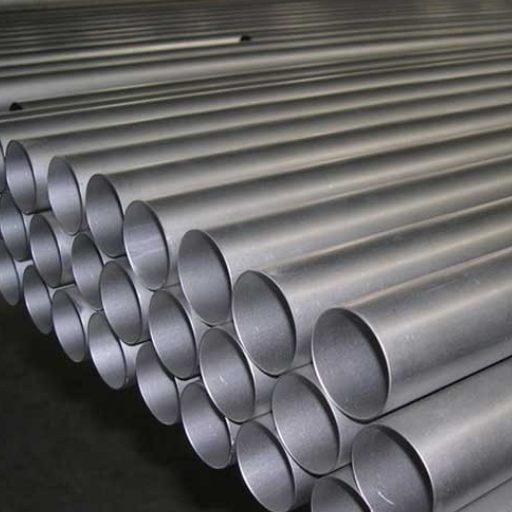
Factors to Consider for Specific Projects
The application of a project should determine which 8-inch steel pipe to use. Different industrial sectors, including construction and plumbing and manufacturing, require specific characteristics from steel pipes. Structural projects need pipes that deliver high tensile strength, while plumbing projects require pipes that show corrosion resistance together with internal coating features.
The operating environment creates another major requirement. The pipe must face various conditions which include temperature extremes and pressure levels and contact with corrosive substances. High-pressure pipes must meet designated performance criteria which validate their safety and operational life. Protective coatings together with galvanization serve as essential requirements for outdoor and corrosive environments to maintain pipe durability.
The evaluation process requires you to assess steel grade together with wall thickness and manufacturing standards which fulfill your project requirements. The use of thicker walls increases strength but results in higher weight and expense which affects the budget and transportation operations. The pipe needs to meet all applicable industry standards and regulations which will help your project achieve reliable results and complete compatibility. The evaluation of these factors will lead you to make a decision which will enhance the operational efficiency and durability of the pipe.
Understanding Wall Thickness and Diameter Requirements
The main factor which determines pipe wall thickness and diameter requirements needs to consider the pipe’s capacity to endure both pressure and load. Pipes which operate in high-pressure systems require wall thickness upgrades because they must withstand internal pressure without breaking. The assessment needs to include external factors which include soil pressure and potential mechanical impacts because these factors can cause deformation or collapse of the system.
The diameter of a pipe is determined by the volume of fluid it will transport. Systems which experience high demand become more efficient when larger diameters enable more material to flow through. The use of oversized pipes results in both operational inefficiency and higher material expenses. The optimal performance of the system requires that its diameter matches the actual flow requirements of the system.
The industry standards together with regulations establish precise requirements which specify acceptable wall thickness and diameter measurements. The standards establish requirements which ensure that the pipe will function properly and maintain safety in its designated use. The project will achieve pipe durability together with performance requirements through engineering specifications which you should consult.
Compliance with Industry Standards
Importance of Adhering to Standards:
All piping systems must comply with industry standards because these standards define the safety requirements and performance expectations for piping systems. The standards create specific manufacturing guidelines and installation requirements and maintenance procedures for implementation. The specifications must be followed because they create an environment which decreases the chance of system breakdowns while boosting operational performance and matching governmental standards.
Key Elements of Compliance:
The primary aspects of compliance involve ensuring the pipe’s material, dimensions, and integrity meet established benchmarks. The process requires measurement of thickness and diameter according to standards while performing routine inspections to find possible problems. Strict compliance not only extends piping system lifespan but also eliminates legal and environmental hazards that result from noncompliance.
Achieving Compliance:
The project requires you to consult engineering specifications which must be matched with the relevant industry standards. The system requires regular audits and quality checks and certification processes to guarantee that all components operate correctly and maintain safety during normal operations. These practices create the basic structure which supports a piping system that offers dependable performance and long-lasting strength.
Frequently Asked Questions (FAQ)
Q: What is an 8 steel pipe and what does the size 8.625 mean?
A: An 8 steel pipe commonly refers to a nominal 8-inch pipe; the specific dimension 8.625 inches often denotes the outside diameter for certain round steel pipe schedules and standards. The “8.625” measurement which appears next to 8 steel pipe represents the actual outside diameter that people use for calculating fitting and section dimensions as well as cut lengths per foot.
Q: How do I determine the accurate quantity and linear footage when I order 8 steel pipe online?
A: To calculate the exact amount needed for an order of 8 steel pipes, the total number of pipes should be multiplied by their respective length which is measured in feet. The buyer needs to check both cut tolerance and packaging details with the seller before making the purchase to prevent shipping mistakes and incorrect final quantity.
Q: What grades and standards should I look for, such as A53, when buying 8 steel pipe?
A: The ASTM A53 specification serves as a standard for black and galvanized steel pipes which need to meet mechanical and pressure usage requirements; therefore, when purchasing 8 steel pipe, you should verify its A53 status together with its finish options, which include black and galvanized and coated, and you must check all technology-based testing or certifications that the seller provides to determine whether it meets your section and application needs.
Q: How is packaging and shipping handled for heavy items like 8 steel pipe?
A: The packaging for 8 steel pipe needs banding and end caps and crating which depends on the selected shipping method while sellers provide packaging information through their product descriptions. The shipping costs for carriers are calculated based on either linear foot measurement or package weight while they mandate that customers use palletizing equipment to handle their bulk orders. The shipping lead times and delivery dates will be confirmed at the time of your online order.
Q: Can round 8 steel pipe be used for both structural purposes and liquid transport applications?
A: Round 8 steel pipe is versatile: it can be used structurally in frames and supports or for fluid conveyance when matched to the correct schedule and material grade. The pipe needs verification of section modulus and wall thickness and necessary standards which include A53 to meet specific load and pressure and finish requirements for your application.
Q: How do I select a reliable seller for 8 steel pipe online and what should be on the product list?
A: Choose a seller who provides complete product information which includes details about the product’s outside diameter of 8.625 and its wall thickness and grade A53 and other specifications and its finishing and packaging and shipping methods. Reputable sellers present accurate product descriptions together with customer reviews and detailed information about return procedures for unused items and they offer quantity discounts and complete details about lead times.
Q: Are there specialty materials or coatings, like cobalt-based treatments or advanced technology finishes, for 8 steel pipe?
A: The primary materials used for 8 steel pipe construction consist of carbon steel and alloy steels, but there are specialized coatings and surface technologies that provide protection against corrosion and wear, even though cobalt does not function as a standard pipe coating because it serves specific purposes in alloys and toolings. The product specifications display the advanced finishes which you should assess for their required implementation based on your specific environmental conditions and operational needs.
References
1. Standard Pipe Schedule and Spec
- Standard Pipe Schedules include Schedule 80. The said documents are provided by South Dakota State University.
- Link to source
2. Standard Pipe Sizes
- Academia.edu hosts a paper that deals with standard pipe sizes and dimensions, Schedule 80 being one of them.
- Link to source
3. AIS Waiver Decision Memorandum for Schedule 80 Pipe
- The use of Schedule 80 pipe in certain applications is discussed by the EPA.
- Link to source