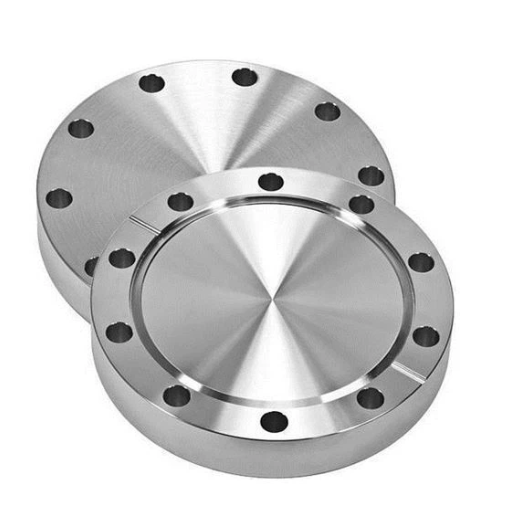
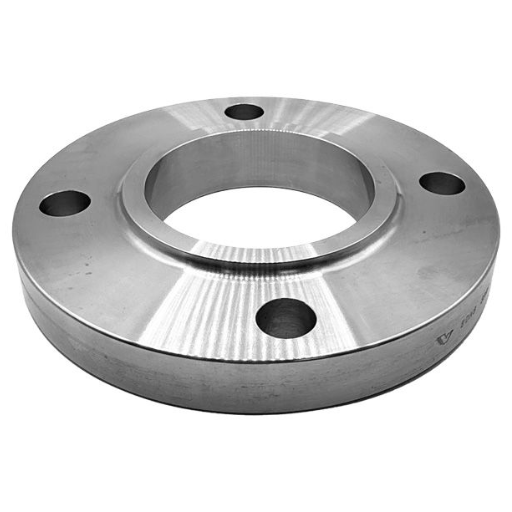
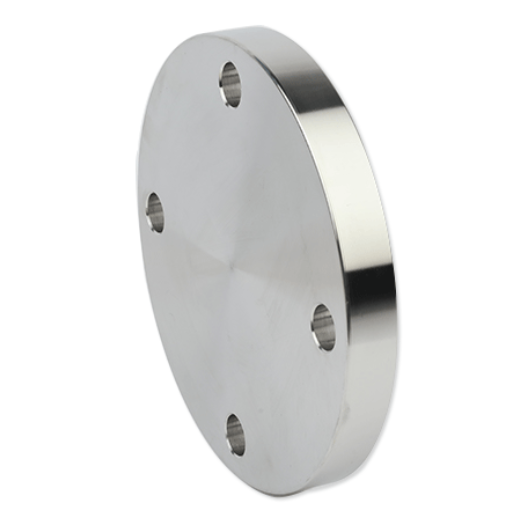
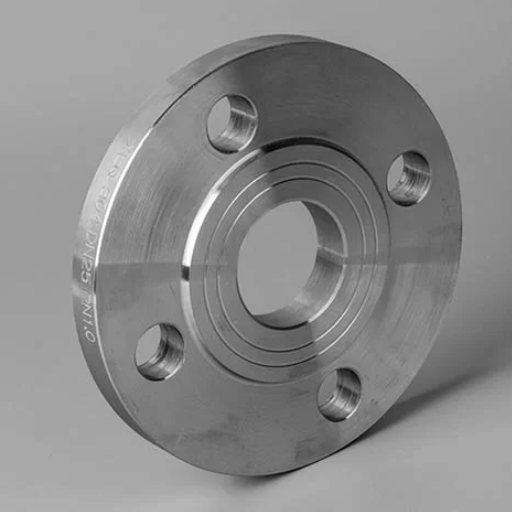
對於工業應用來說,材料的可靠性和性能存在差異。在引領材料製造和應用的眾多標準中,ASTM A182 仍然是主要標準。石化、發電、航空航太等標準花邊產業,確保高壓高溫條件下使用的材料符合嚴格的品質標準。然而,ASTM A182到底代表什麼,為什麼如此重要?本文將深入探討為什麼它如此重要,回顧其目的、規格和依賴它的行業,從而能夠促進人們對其在工程和製造中的重要性的認識。.
ASTM A182 簡介

ASTM A182 是 ASTM International 為管道、鍛造配件和閥門的鍛造或軋製合金和不銹鋼法蘭制定的標準規範,設計用於在高壓條件下使用。因為該規範保證材料滿足最嚴格的機械和化學特性,因此這些部件對於惡劣的工作條件而言高度耐用、可靠且安全。 ASTM A182 涵蓋石化、發電和航空航天行業的廣泛應用,有助於標準化所供應材料的質量,從而確保關鍵用途材料的性能和信任。.
什麼是 ASTM A182?
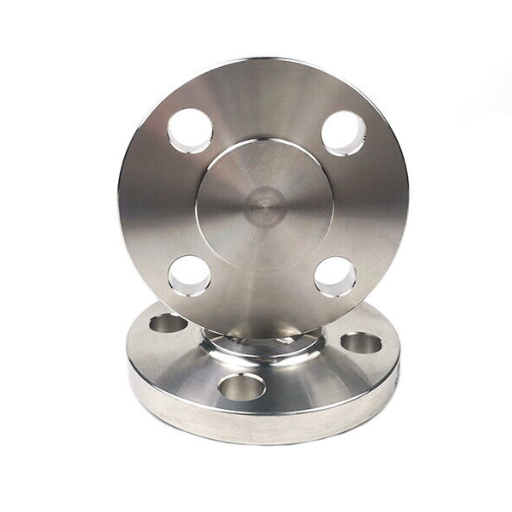
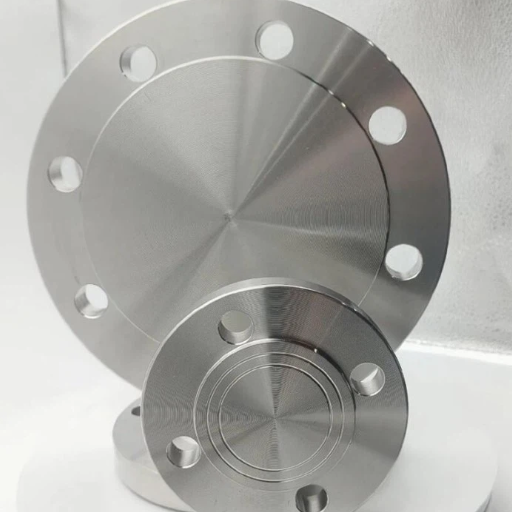
ASTM A182是ASTM International制定的標準規範,涵蓋鍛造或軋製合金和不銹鋼管法蘭、鍛造配件、閥門和高溫維修零件。它涉及與材料相關的要求,包括化學成分和機械性能基本清單,以確保強度、耐久性、耐腐蝕性和耐壓性。.
此規格包括許多取決於合金元素的鋼種。通常提及的是F304、F316、F22和F91,它們被設計為對應於不同的環境或操作應用。例如,F304和F316由於其含有鉻和鎳而更適合耐腐蝕用途;相較之下,F22和F91由於存在鉬和鉻作為合金元素,因此在發電廠的高溫和高應力條件下使用。.
ASTM A182 材料的特點是拉伸強度最小為 485 至 655 MPa,低品位的最小屈服強度為 205 MPa,專業品位的最小屈服強度為 205 MPa。這項特性使 ASTM A182 成為石油、天然氣和化學工業(包括發電)中廣泛追捧的標準,在這些工業中,組件需要維持極端條件而不會發生故障。.
該規範包括超音波、張力和硬度測試等測試,以確保所有材料均無缺陷。這種檢查等級使 ASTM A182 製造的產品作為關鍵應用中的組件具有出色的地位,限制了工業操作風險和停機時間。其靈活性和明確的品質參數使 ASTM A182 成為全球高性能鋼部件的值得選擇的標準。.
ASTM 標準的重要性
ASTM 標準在維持全球各個領域的一致性、品質和安全方面發揮著至關重要的作用。它們充當通用規範,使製造商、工程師和組織能夠創建符合嚴格品質要求的材料和產品。產業數據顯示,從建築、航空航太到能源和醫療保健等行業,已有近 12,000 項 ASTM 標準投入使用。它們的廣泛採用凸顯了這些標準對於國際貿易和互通性的迫切相關性。.
研究表明,將ASTM標準納入行業可減少高達30%的生產缺陷,從而透過明確的材料規格和測試程序提高營運效率。在石油和天然氣行業,ASTM 標準對於管道材料尤其重要,以確保它們能夠承受高壓和腐蝕性環境,從而減少違反嚴格安全規範的故障發生率。.
此外,ASTM 不斷更新標準,以涵蓋技術方面的新發現,並跟上製造方法和永續發展實踐的進步。從創新的角度來看,這種方法支持企業保持競爭力。事實上,透過 ASTM 標準,組織可以描繪合規性,從而提升其形象並獲得利害關係人的全球認可。.
ASTM A182 規範概述
ASTM A182 規範區分了鍛造或軋製合金和不銹鋼管法蘭、鍛造配件和閥門的標準,通常用於高溫服務。這些組件由於其承受急性壓力和溫度的能力,可用於石化工業、發電以及石油和天然氣行業。.
根據規範,材料被分為幾個類別,其中每個類別均由材料的化學成分和機械性能定義,以適應特定的應用。因此,ASTM A182 包括 F304、F316 和 F22 等等級,每個等級都具有獨特的耐腐蝕、耐熱和耐機械應力能力。按照本規範製造的零件銷往要求嚴格的應用,因此透過拉伸、硬度和衝擊測試進行嚴格測試,以確定其是否適合嚴格使用。.
管道法蘭尺寸和壓力等級等關鍵尺寸遵循 ASME B16.5 等廣泛接受的標準。標準 A182 進一步定義了表面光潔度、標記和熱處理的品質要求,以確保按照標準製造的任何產品都能滿足耐用性和功能要求。這種整體方法確保這些產品符合現代產業的老化、效率和安全需求。.
ASTM A182 提供的這項標準允許製造商和最終用戶擁有符合國際商定要求的材料,從而確保在廣泛的關鍵應用中保持一致的性能。.
ASTM A182 在各行業的應用

ASTM A182廣泛應用於石化、汽車、化學、發電等高溫高壓零件產業。.
|
工業 |
應用 |
使用的材料 |
主要好處 |
環境效益 |
|---|---|---|---|---|
|
石化 |
管道、閥門 |
F347、F51 |
高強度 |
減少洩漏,高效 |
|
汽車 |
排氣系統 |
F304 |
抗腐蝕性 |
持久,減少浪費 |
|
化學 |
熱交換器 |
F51 |
高耐用性 |
最大限度地減少更換 |
|
電力世代。. |
鍋爐、渦輪機 |
F91 |
高溫。寬容 |
節能、耐用 |
|
石油和天然氣 |
壓力容器 |
F22、F11 |
高壓 |
減少材料消耗 |
用於高溫服務
ASTM A182 材料被普遍認為在高溫環境中表現良好,因此可用於發電、石化以及石油和天然氣行業。這些材料通常是鍛造不銹鋼和合金鋼,經過加工以確保它們能夠抵抗惡劣的熱條件並在較長時間內保持正常的結構性能。.
ASTM A182 F22 是一種合金鋼,因其耐結垢性以及即使在 1,050 F (565 C) 下也能保持其機械強度而經常受到高溫應用的青睞。此外,ASTM A182 F316 不銹鋼級,具有出色的耐腐蝕性和抗氧化性,這在高溫使用中非常重要。此外,測試還表明這些材料具有極佳的抗蠕變性,這為法蘭、配件和閥門等壓力保持部件帶來了可靠性。.
這些零件在蒸汽渦輪機、反應器和熱交換器中具有重要應用,工作溫度超過 800 F (427 C)。 ASTM A182 的低溫膨脹和抗應力斷裂能力使其能夠在如此惡劣的條件下保持這些材料的安全性和操作屈服效率。 ASTM A182 材料具有出色的耐腐蝕性和基礎熱穩定性,使其成為提高性能和減少重工業應用停機時間的核心基礎。.
在石油和天然氣行業的應用
ASTM A182 材料在石油和天然氣行業中發揮關鍵作用,惡劣的環境條件和高壓情況需要具有最大可靠性和彈性的組件。這些材料進入法蘭、閥門、配件和壓力容器等關鍵設備,這些設備會遇到極端的溫度變化、腐蝕劑和機械應力。.
下游作業涉及精煉和石化生產,ASTM A182 發現了其重要性。這些工廠中的設備,例如熱交換器和反應堆,經常暴露在遠超過 1,000 °F (538 °C) 的溫度和腐蝕性化學介質中。正是 ASTM A182 對氧化和熱疲勞的抵抗力增強,確保了製程的效率和安全性。.
上游作業也與 ASTM A182 材料相關。它適用於鑽井和開採活動,在高壓管道系統中使用 ASTM A182 組件。在酸性氣體環境中,這些材料必須能夠抵抗硫化氫和二氧化碳等物質的腐蝕性,從而最大限度地減少材料故障和洩漏的可能性。.
中游活動也利用 ASTM A182 材料。這些高強度法蘭和配件可以透過管道安全運輸石油和天然氣。許多管道系統的工作壓力範圍為 1,000 至 2,000 psi 以上,ASTM A182 材料卓越的機械性能保證了較長的使用壽命和最少的維護。.
由於這種合金在石油和天然氣行業中的廣泛適用性,它具有從延長設備壽命、降低營運成本到確保安全等各種特性。它們的多功能性和經過驗證的成功使它們成為行業嚴格的性能標準和環境要求的基礎。.
在發電中的作用
ASTM A182 材料一直是當代發電的核心,高品質的組件是提供一定程度運作可靠性保證的必要條件。它們也用於最關鍵的環境,例如蒸汽渦輪機、燃氣渦輪機和壓力容器,因為高強度是一個重要的考慮因素;耐熱疲勞和極高的溫度和壓力。.
在蒸汽渦輪機中,ASTM A182 鍛鋼用於轉子軸和殼體,需要高耐用性才能抵抗氧化成高壓蒸汽。這種材料通常被認為可以在超過 1100 F (593 °C) 的溫度下使用,在需要結構強度的最苛刻條件下使用。其耐腐蝕係數可確保設備的壽命,同時減少停機時間和維護成本。工業能源系統研究證明,在發電領域,ASTM A182 等合金可以將能源效率提高高達 15%。.
隨著全球對再生能源的推動,這些材料已開始進入先進的地熱和聚光太陽能發電系統。它們需要耐高溫和高壓條件,以使熱交換器等系統能夠可靠地運作。這種優勢有助於優化能源生產,同時降低對環境的影響,這與當前對永續能源解決方案的需求密切相關。.
這些卓越的特點不僅使 ASTM A182 成為傳統發電的必需品,而且還為培育更清潔、更有效率的能源技術提供了一個有利的平台。.
化學成分和機械性質

根據等級的不同,ASTM A182 由碳、錳、磷、硫、矽、鉻、鉬和釩製成的優質合金鋼組成。這些元素處於這種平衡狀態,可提供出色的強度、耐腐蝕性和耐用性。.
ASTM A182 具有強大的拉伸強度、延展性和韌性,能夠承受高壓和極高的熱量。屈服強度和伸長率值等具體細節因等級而異,但已由 ASTM 規定為品質保證標準。這些化學和機械特性使 ASTM A182 成為能源領域最苛刻應用的選擇。.
化學成分概述
ASTM A182 經過精心設計,化學成分平衡,可確保在工業應用中表現出卓越的性能。主要元素通常包括鐵、碳、錳、磷、硫、矽、鉻、鉬和鎳,但確切的比例取決於特定等級。例如:
- 碳(c): 通常保持在 0.35% 以下,以保持最佳強度並促進可焊性。.
- 鉻(cr): 含量範圍為 12% 至 20%,對耐腐蝕性有顯著貢獻。.
- 鉬(mo): 0.2% 至 1% 之間,增強抗點蝕和縫隙腐蝕能力,尤其是在含氯化物環境中。.
- 鎳(鎳): 根據等級的不同,從 0% 到 10% 不等,可提高韌性和耐高溫性。.
- 矽 (Si) 和錳 (Mn): 兩者都致力於提高材料的強度和硬度,Si 通常約為 0.5%,Mn 介於 0.4% 和 1.5% 之間。.
成分經過精確控制,符合嚴格的 ASTM 標準,確保一致的品質和性能。這些元件協同工作,為合金提供耐熱性、耐用性和機械可靠性,使 ASTM A182 成為石化、發電和其他能源密集型行業關鍵部件的理想選擇。.
ASTM A182 材料的機械性質
ASTM A182材料具有優異的機械性能,因此用於需要非常高性能的應用。這些性能包括拉伸強度、屈服強度和硬度值;例如,ASTM A182 F22在發電和石化行業中相當常見,其拉伸強度約為415 MPa至585 MPa,屈服強度不小於205 MPa。通常,退火條件下的此等級的硬度值約為 170 HBW(布氏硬度)。.
彈性模量是另一個不可或缺的特性,被認為接近 200 GPa。這使得這些材料即使在重負載下也能維持其結構完整性,抵抗很大的變形。 ASTM A182材料也非常堅韌,衝擊強度高,因此可以承受極端環境中的嚴重熱衝擊和機械衝擊。.
許多 ASTM A182 等級(如 F304 或 F316)表現出出色的抗蠕變和疲勞能力,這對於長時間暴露在高溫高壓下非常有用。在需要較長跨度永不失效支撐的情況下,平衡良好的 ASTM A182 是法蘭、配件和閥門零件的絕佳選擇。.
不同年級的比較
ASTM A182 包含專為滿足不同工業要求而量身定制的各種等級,每個等級都提供獨特的機械性能、耐腐蝕性和耐溫性。以下是一些常用等級的詳細比較:
1。 ASTM A182 F304
- 成分:含有18-20%鉻和8-10.5%鎳,碳含量低(<0.08%)。.
- 力量:
- 屈服強度(分鐘):205 MPa
- 拉伸強度(分鐘):515 MPa
- 耐溫性:在 870 °C 時表現良好(取決於特定的合金調整)。.
- 抗腐蝕性:具有卓越的抗氧化性和一般腐蝕性,非常適合涉及弱酸或大氣條件的環境。.
- 應用:由於其多功能性,常用於法蘭、化學加工設備和管道部件。.
2。 ASTM A182 F316
- 成分:富含 16-18% 鉻、10-14% 鎳和 2-3% 鉬,可增強性能。.
- 力量:
- 屈服強度(分鐘):205 MPa
- 拉伸強度(分鐘):515 MPa
- 耐溫性: 在高達 925 °C 的高溫下保持穩定性和效率,具體取決於操作條件。.
- 抗腐蝕性:
- 由於鉬的存在,與 F304 相比具有優異的抗點蝕性。.
- 高度耐氯化物環境,使其成為海洋和沿海應用中流行的等級。.
- 應用:
- 用於處理腐蝕性流體的石油和天然氣工業。.
- 熱交換器和壓力容器需要更高的耐用性來應對惡劣的環境。.
3。 ASTM A182 F22
- 成分: A low-alloy steel containing Chromium (2.0-2.5%) and Molybdenum (0.9-1.1%).
- 力量:
- Yield Strength (min): 275 MPa
- Tensile Strength (min): 485 MPa
- 耐溫性:
- Offers excellent creep strength at elevated temperatures, withstanding temperatures up to 600°C.
- 抗腐蝕性:
- Moderate resistance to oxidation and corrosion, suitable for less aggressive environments compared to stainless steel grades.
- 應用:
- Widely used in high-pressure systems, boilers, and power plants where strength and thermal stability are critical.
4. ASTM A182 F91
- 成分: High-strength low-alloy steel with enhanced Chromium (8-9.5%) and Molybdenum (0.85-1.05%) for superior performance.
- 力量:
- Yield Strength (min): 415 MPa
- Tensile Strength (min): 585 MPa
- 耐溫性:
- Remarkable thermal stability, supporting applications up to 650°C while maintaining mechanical integrity.
- 抗腐蝕性:
- High resistance to thermal oxidation and creep, ideal for extreme operating conditions.
- 應用:
- Primarily utilized in power plants, steam turbines, and high-pressure steam piping systems.
ASTM A182 的年級和班級

ASTM A182 covers various grades, typically based on specific steel alloys, to address diverse industrial requirements. Common grades include:
- F304/F304L: Austenitic stainless steels known for their corrosion resistance and suitability in moderate temperature environments. F304L features lower carbon content, reducing susceptibility to sensitization.
- F316/F316L: Similar to F304 but with added molybdenum for enhanced resistance to pitting and crevice corrosion. F316L provides extra benefits due to its lower carbon composition.
- F22: A low-alloy steel grade designed for high-temperature service, often used in power generation and petrochemical applications.
- F91: A ferritic alloy steel primarily utilized in high-pressure, high-temperature conditions due to its superior strength and creep resistance.
Each grade is divided into classes that signify different conditions, such as annealed, normalized, or quenched and tempered, ensuring the material’s properties align with the application’s demands. These distinctions allow for precise material selection based on performance and operating conditions.
不同年級概述
ASTM A182 includes grades like F5, F9, F11, F22, F304, and F316, covering ferritic, martensitic, austenitic, and duplex stainless steels for high-temperature and pressure applications.
|
等級 |
材質類型 |
應用 |
力量 |
抗腐蝕。. |
環境效益 |
|---|---|---|---|---|---|
|
F5 |
Ferritic Alloy |
High-temp piping |
高 |
中等 |
Durable, reduces replacements |
|
F9 |
Ferritic Alloy |
Pressure systems |
高 |
中等 |
Long-lasting, efficient use |
|
F11 |
Low Alloy Steel |
Boilers, pressure |
高 |
中等 |
Reduces waste, durable |
|
F22 |
Low Alloy Steel |
High-pressure vessels |
高 |
中等 |
Fewer replacements, efficient |
|
F304 |
Austenitic Stainless |
腐蝕性環境 |
中等 |
高 |
Corrosion-resistant, long life |
|
F316 |
Austenitic Stainless |
海洋、化學 |
中等 |
高 |
減少對環境的影響 |
ASTM A182 F316 及其應用
ASTM A182 F316 is a widely used grade of stainless steel, primarily selected for its outstanding corrosion resistance, durability, and ability to withstand high-temperature environments. This grade is an austenitic stainless steel that includes molybdenum, which significantly enhances its resistance to pitting and crevice corrosion, particularly in chloride-rich environments like marine or chemical processing industries.
Chemical Composition and Properties
The chemical composition of ASTM A182 F316 typically includes approximately 16-18% chromium, 10-14% nickel, and 2-3% molybdenum, delivering excellent chemical resistance. It has a tensile strength of around 515 MPa (minimum) and yield strength of approximately 205 MPa. The high chromium and molybdenum content ensure unparalleled resilience against oxidizing and reducing agents.
跨行業的應用
Thanks to its unique properties, ASTM A182 F316 is utilized in a variety of demanding applications, including:
- Chemical Processing: Its resistance to acids and solvents makes it ideal for equipment such as reactors, heat exchangers, and storage tanks.
- Marine Industry: High tolerance for saline environments ensures its widespread use in seawater piping, pumps, valves, and structural components of marine vessels.
- Food and Beverage Industry: The hygienic properties, along with resistance to corrosion from acidic and alkaline substances, support its use in food processing equipment.
- Pharmaceutical Manufacturing: Its non-reactive surface and ability to endure cleaning agents and sterilization processes make it a favored material for pharmaceutical devices.
- 石油和天然氣行業: Frequently used in pipelines, flanges, and valves due to its performance in high-pressure, high-temperature, and corrosive subsea environments.
鍛造配件的分類
Forged fittings are classified according to numerous types based on their design, pressure holding capacity, and application areas with the object to ensure that an industry chooses the right fitting for its operational needs. The primary classifications are:
1. Socket Weld Fittings:
Socket weld fittings are made for the high-pressure service where they provide a leak-proof joint through welded construction. They are common in smaller-diameter pipelines, say below 2 inches. Among their merits are the low possibility of corrosion being present at joints and promoting free air or fluid flow. Stainless steels and alloy steels are probably the materials chosen for such fittings because of their good mechanical properties and resistance to harsh atmospheres.
2. Threaded Fittings:
Threaded fittings are provided with internal or external threads to screw into each other without welding. They are frequently employed in low-pressure applications or wherever welding can become inconvenient. Threaded fittings come into play whenever bills get into gases or non-corrosive substances; they come into a few different thread types to suit regional or functional requirements, including NPT and BSP.
3. Elbows and Bends:
These fittings make directional changes in the line. The common types are 45˚ and 90˚ elbows. Elbows are used for sharper turns, whereas bends are for long curvature requirements, thus reducing pressure loss.
4. Tees and Crosses:
These are capable of combining or splitting flow inside a piping system. Tees permit a single-speed connection, whereas crosses provide two-speed connections. They are commonly used in oil and gas industries or chemical treatment.
5. Coupling and Union:
Couplings are used to connect two pipes, and unions allow the disconnection and reconnection of pipes without any cutting. They are highly useful in areas where heavy maintenance activity is taking place or constant alterations.
6. Caps and Plugs:
Caps seal the open ends of piping, whereas plugs close the opening in fittings or pipes. Their sealing character makes them required wherever one tries to avoid leakage or environmental contamination for a closed system.
使用 ASTM A182 產品的優點

1. Good Durability:
ASTM A182 products are manufactured to attain exceptionally high strength and long life for use in heavy industrial applications.
2. Corrosion:
The materials are highly resistant against rust and will withstand all operational conditions that include temperature extremes and chemical exposures.
3. Safety Requirements:
Being the highest quality steel products made to meet stringent requirements, any mechanical failure becomes less likely with ASTM A182 products.
4. Versatility:
Available in several grades and types, these are accepted for use in different industries such as oil and gas, petrochemical, and power generation.
5. Economical Benefits:
Given their durability and performance, they require little maintenance and hence present a long-term economic benefit.
耐用性和可靠性
ASTM A182 products have always stood for strength and reliability, while putting them into difficult industrial applications. The majority of the award-winning components are made of alloy and stainless steel so that they may be exposed to harsh environmental conditions involving high pressure and temperature. For example, ASTM A182 F22, a widely known grade, safely works at around 1200°F (649°C), asserting its thermal resistance in critical systems.
The corrosion resistance offered by ASTM A182 materials imparts further reliability against dangers posed by harsher environments, such as offshore drilling operations or chemical processing plants. Research shows that an ASTM A182 manufacturing component has a much longer lifespan compared to ordinary counterparts, some in line with decades of working operation if maintained adequately. Fewer replacements are thus needed, reducing interruptions to operation and increasing overall system efficiency.
ASTM A182 flanges and fittings are thoroughly tested to withstand international quality standards, thus ensuring continual acceptability in opposition to various dynamic operational stresses. Their versatility and reliability combine to make them worthy of use in critical industry fields where any failure of the equipment may not be tolerated, such as in power generation and petrochemical processing.
抗腐蝕特性
ASTM A182 flanges and fittings exhibit an exceptionally high grade of corrosion resistance, offering an ideal option for use in settings exposed to harsh chemicals, moisture, and extreme temperatures. They have always been formed from high-grade alloys of stainless steel and alloy steel, both of which are excellent against oxidation and degradation through time. For instance, high chromium and molybdenum are present in stainless steel types 304 and 316. This acts as an extremely protective oxide layer on the surface and hence resists corrosion in conditions such as acid and saline environments.
Research shows that grade 316 L stainless steel fittings resist pitting or crevice corrosion after prolonged exposure to environments maintaining chloride concentration up to 1000 ppm. Considering this, these have enormous potential of being employed for use in marine environments, offshore platforms, and chemical processing plants, where corrosive nature takes birth. Moreover, because of the low-century content, these are hardly subjected to intergranular corrosion incident to welding and are capable of sustaining performance life even in highly demanding applications.
Low corrosion brings along with it low maintenance and hence an extended life span from their service. Of course, A182 materials perform ideally, do not often demand replacement, and yet, hold good for another longer period. This particular property affirms operational efficiency along with being a little relieving toward the total cost of ownership over time for industries that hinge hugely on them such as oil and gas, petrochemical, and pharmaceutical processing.
長期使用的成本效益
When considering the materials of ASTM A182, their benefits come from long-term considerations that make a convincing case for their cost-effectiveness. Studies show the durability almost negates expenses for replacement and repair or at least cuts them substantially, while minimizing downtime in high-demand applications. The grades of stainless steel offered under ASTM A182 have an estimated useful life of 20-30 years, depending on how they are operated, which means the high costs involved in maintenance are not felt by the industry on a recurring basis.
In addition, their resistance against oxidation or corrosion in environmental factors makes endothelial mechanisms appreciate uninterrupted functioning on their end. Consequently, applications using these materials showed industrial operators can save as much as 40% in maintenance costs when compared to those systems using weaker materials. On the decay side, it comes with greater capacities for heat and pressure reduction, suggesting less additional installation or installation of second parties becomes needed in operations that are critical. While combined, these factors greatly diminish total cost of ownership (TCO), granting ASTM A182 materials the status of one of the prime selections for the sustainable operational efficiency.
與替代材料的比較

For durability and performance at elevated temperatures and pressures, A182 materials always measure up better when put into a comparative perspective. ASTM A182 materials improve life and reduce replacement owing to better corrosion and wear resistance compared to carbon steels. These materials, being ASTM A182, far outrank most non-alloys in holding up structural integrity and reliability in critical situations. In this light, ASTM A182 becomes one of the most cost-effective and reliable materials for industries with the long-term operational efficiency requirement.
ASTM A182 與其他合金鋼
ASTM A182 stands out for its high strength, durability, and suitability for high-temperature and high-pressure applications compared to other alloy steels.
|
參數 |
ASTM A182 |
Other Alloy Steels |
環境效益 |
|---|---|---|---|
|
材質類型 |
Alloy & Stainless |
Varies (e.g., carbon) |
持久,減少浪費 |
|
應用 |
高溫、壓力 |
General-purpose |
Efficient resource utilization |
|
力量 |
高 |
中度到高 |
Durable, fewer replacements |
|
耐久性 |
非常好 |
變化 |
減少材料消耗 |
|
抗腐蝕。. |
高 |
中等 |
Minimizes environmental impact |
相對於碳鋼的好處
Alloy steel ASTM A182 finds advantages over its carbon steel counterpart in many dimensions, making the higher performance selection in those demanding industrial applications. Perhaps one of the most crucial advantages is its extreme corrosion and oxidation resistance. Whereas carbon steel often undergoes rapid deterioration when deployed in harsh environments, ASTM A182, thanks to its alloy composition, offers long durability even under conditions of extreme temperature and pressure.
The steel in ASTM A182 also boasts higher mechanical properties like superior tensile strength and higher toughness. ASTM A182 F22 is 90-125 ksi in tensile strength, while a proximal carbon steel like ASTM A105 is 60 to 85 ksi. This enhanced tensile strength permits the component design to be thinner from a structural stability standpoint, thereby making the components lighter and more efficient. The improved creep resistance is yet another advantage, and it makes it an excellent candidate for high-temperature environments such as in power generation or petrochemical establishments. There remain excellent machining and welding properties to these ASTM A182 materials reducing trouble during manufacturing and plugging potential downtime.
From the economic perspective, the ASTM A182 steels might be costlier in the first place compared to carbon steel, but they are cost-efficient with longer service life and little maintenance leading to a much lower total cost of ownership in the demanding application. By synthesizing these benefits, ASTM A182 molds itself into a strategic investment in industries demanding performance and longevity.
與不銹鋼的性能比較
When comparing ASTM A182 to stainless steel, several key performance metrics stand out, highlighting the suitability of each material for specific applications. ASTM A182, particularly in high-strength alloys such as F22 or F91, exhibits superior creep resistance and higher tensile strength, making it ideal for high-temperature and high-pressure environments, such as in petrochemical or power generation industries. Stainless steel, on the other hand, offers exceptional corrosion resistance, particularly in environments with high humidity, saline conditions, or exposure to harsh chemicals, which makes it a preferred choice for marine, food processing, and pharmaceutical applications.
Thermal performance is another critical area of distinction. Stainless steel generally retains its properties across a wide temperature range, offering stability and resistance to scaling at elevated temperatures. Yet, ASTM A182 grades engineered for heat resistance, like those containing chromium and molybdenum, often outperform standard stainless steel grades in maintaining structural integrity under sustained heat and stress.
Regarding cost-efficiency, stainless steel’s higher chromium and nickel content often translates to a higher upfront material cost, but it compensates with exceptional durability and lower maintenance in corrosive settings. Conversely, ASTM A182’s alloy variations can be tailored to meet thermal and mechanical demands without excessive reliance on pricier alloying elements, which can optimize costs for specific industrial operations.
Ultimately, both materials exhibit excellent performance characteristics tailored to different industrial needs. Choosing between ASTM A182 and stainless steel depends on factors such as operating environment, desired longevity, and budgetary considerations.
參考來源
-
Effect of Hydrogen on the Mechanical Properties of ASTM A182 F22 – Academia.edu
https://www.academia.edu/71953943/Effect_of_Hydrogen_on_the_Mechanical_Properties_of_ASTM_A182_F22_and_ASTM_A36_Steels_Welded_Joint_Using_Inconel_625_as_Filler_and_Buttering_Metal
Discusses the mechanical properties of ASTM A182 F22 steel. -
Stainless Steel Grade Chart – Stanford University
http://large.stanford.edu/courses/2020/ph240/barnett2/docs/atlas-nov00.pdf
Provides detailed information on stainless steel grades, including ASTM A182. -
Piping for Utility Distribution – Michigan State University
https://ipf.msu.edu/sites/default/files/2018-08/CS_TEC_2004_336012_PIPING_FOR_UTILITY_DISTRIBUTION.PDF
Covers the use of ASTM A182 in utility piping systems.
常見問題(常見問題)
什麼是 ASTM A182?
ASTM A182 is a standard specification that covers forged or rolled alloy and stainless steel piping components for use in pressure systems. This specification includes several grades of low alloy steels and ferritic-austenitic stainless steels, ensuring that the products meet the required mechanical properties and chemical composition for various applications.
ASTM A182 包含哪些類型的材料?
The specification covers forged low alloy and stainless steel, including martensitic stainless steel and ferritic steels. It provides requirements for products made to this specification, ensuring compliance with both chemical and mechanical standards.
ASTM A182產品的常見應用是什麼?
Products conforming to ASTM A182 are commonly used in pressure systems, including valves and parts for high-temperature service. The specification ensures that the steel piping components can withstand the demands of various industrial applications.
ASTM A182 規範中概述了哪些要求?
The specification outlines the requirements for chemical composition, mechanical properties, and dimensions or dimensional standards. It also refers to international standards to ensure the products meet global quality and safety benchmarks.
ASTM A182 提供哪些等級的低合金鋼?
ASTM A182 includes several grades of low alloy steels. These grades are designed to meet specific requirements for different applications, providing options for engineers and designers when selecting materials for a project.
ASTM A182 與其他標準相比如何?
ASTM A182 is specifically focused on forged or rolled alloy and stainless steel components, while other standards may cover a wider range of materials or applications. The specification is developed in accordance with ASME specifications that are referenced for additional guidance on design and safety.
ASTM A182 提供了哪些補充要求?
The specification includes supplementary requirements for testing or inspection, allowing manufacturers to ensure that their products meet the necessary standards. This is crucial for maintaining quality control in high-stakes applications such as pressure systems.
ASTM A182 組件的測試或檢查要求是什麼?
Testing or inspection requirements are provided for use in ensuring that the products conform to the required chemical and mechanical properties. Nonconformance with the specification can lead to significant safety concerns, making these requirements essential.